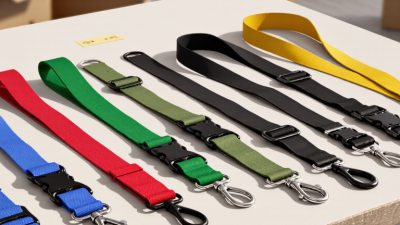
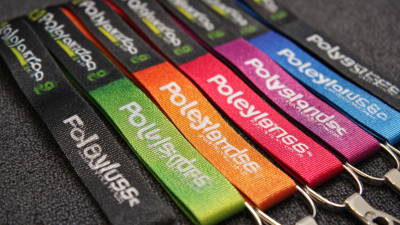
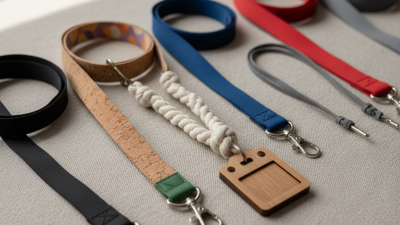
2026 Best Event Lanyard Suppliers for Global Buyers
Choosing the right Event Lanyard supplier can shape an attendee’s first impression before the opening session begins. A smooth polyester strap, clear logo, and secure metal clip communicate preparation. A twisted edge, faded print, or weak attachment can suggest the opposite.
Julius Solaris, a respected event-industry strategist, once said, “The future of events is about creating experiences, not just gatherings.” That principle applies to lanyards too. They are not merely badge holders. They support registration flow, sponsor visibility, access control, and brand recall. For global buyers, the supplier must deliver these functions consistently across countries, languages, and event formats.
This guide examines the 2026 best Event Lanyard suppliers for international purchasing teams. It considers material quality, printing accuracy, attachment options, recycled-content claims, sampling procedures, minimum order quantities, and production lead times. It also looks at communication. A low price means little when a supplier misses a shipment window or ignores artwork details.
Small details matter.
Experienced buyers should request physical samples, verify measurements, and confirm packaging before placing a large order. Suppliers should explain testing methods and provide realistic delivery estimates. Certifications also deserve careful review, because environmental claims can sound stronger than the evidence behind them.
No supplier is perfect. Some offer excellent customization but slower production. Others provide speed but limited materials. That trade-off deserves honest attention. The strongest choice depends on your event size, audience, budget, destination, and brand standards. This comparison aims to make that decision clearer, more practical, and easier to defend internally.
What Event Lanyards Are and Why Global Buyers Need Them
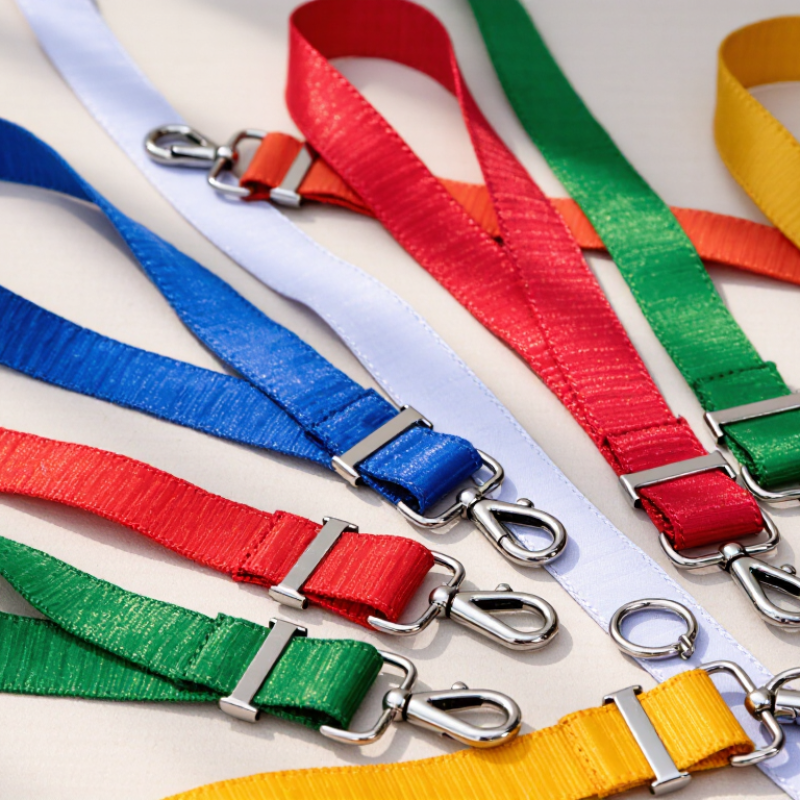
Event lanyards are wearable straps that display identification cards, badges, or access passes.
They usually hang around the neck and keep credentials visible during busy events. For global buyers, lanyards support faster registration, clearer access control, and easier networking. They also give staff a practical way to recognize different visitor groups.
A reliable lanyard needs strong stitching, comfortable material, and a secure attachment point.
Breakaway connectors can improve safety in crowded venues. Color coding may separate exhibitors, speakers, staff, and guests. Small details matter.
Printed text should remain readable under indoor lighting and outdoor sunlight. Global buyers should request samples before approving large quantities. Ask for sample measurements, packaging details, production timing, and quality inspection records.
Material choice affects comfort, cost, and environmental claims.
Recycled polyester can reduce material impact, but buyers should verify supporting documentation. Sustainability language is sometimes too vague. That deserves careful questioning.
I have seen teams focus on attractive graphics and overlook weak clips or late delivery risks. No specification is perfect, so testing remains necessary. A short wear test can reveal rough edges, fading, or twisting that photographs hide. Clear communication about badge size, delivery destination, and event schedule helps suppliers provide more dependable results.
Top Event Lanyard Suppliers for International Buyers
International buyers need event lanyard suppliers that understand more than printing and color selection. A dependable supplier should provide clear material details, production photos, sample approval, and realistic delivery schedules. Common options include recycled polyester, woven fabric, nylon, and cotton. Each material feels different around the neck and performs differently during a three-day exhibition.
From my sourcing experience, the strongest suppliers ask practical questions before quoting. They confirm lanyard width, attachment type, artwork size, packaging method, and destination port. They also explain minimum order quantities and inspection procedures without hiding costs. A reliable supplier can provide color samples under suitable lighting. Screen colors often look different from physical fabric. That small detail has caused avoidable reprints.
Tips:
Request one physical sample before approving mass production. Check stitching around the metal hook and test the safety release if included. Ask for carton dimensions, gross weight, and production lead time. Confirm whether the supplier can handle split shipments for multiple event locations. Keep written approval records for artwork, measurements, and packaging. This protects both sides when changes occur. However, specifications can still be misunderstood across languages. A simple measurement diagram usually works better than a long email. International buyers should also allow extra time for inspection and transportation delays. Even experienced teams sometimes underestimate customs processing. That mistake is expensive.
Comparing Materials, Customization, Pricing, and Minimum Orders
For global buyers, lanyard value starts with material performance. Textile Exchange’s Materials Market Report 2024 recorded 124 million tonnes of global fiber production in 2023. Recycled polyester can reduce virgin input, but recycled content alone proves little. Request certification and traceability documents. Polyester suits vivid graphics and daily handling. Nylon feels smoother and resists abrasion. Cotton offers a softer, more natural texture, but it may crease and absorb moisture. Small details matter.
Customization changes the quote quickly. Compare identical widths, stitching, printing methods, clips, safety buckles, and packaging. Screen printing often suits simple logos. Sublimation supports complex artwork and gradients. Ask for a physical sample, not only a digital proof. Minimum orders vary widely, but low quantities usually carry higher setup costs. A supplier should state unit price, tooling, sample fees, freight, and replacement terms separately. ASI’s 2023 Ad Impressions Study estimated 5,053 lifetime impressions for an average promotional product. Lanyards may perform well here, especially when attendees wear them repeatedly, although that figure is not lanyard-specific.
Reliable sourcing also requires production discipline. Confirm Pantone references, attachment strength, colorfastness, and breakaway safety features. Request independent test reports when recycled or dyed materials are specified. Delivery estimates should include sampling, production, customs, and buffer time. In practice, the cheapest offer can become expensive after artwork corrections or delayed shipping. I would challenge any quote that hides these assumptions. A clear specification sheet protects both sides, yet it is easy to overlook before ordering.
How to Verify and Select the Right Global Supplier
Choosing an event lanyard supplier requires more than comparing online prices. In real sourcing work, a polished catalog proves little. Request the supplier’s legal company details, production address, and export experience. Check whether the contact person answers technical questions clearly and consistently.
Ask for a physical sample before approving bulk production. Examine the fabric edges, stitching, hook strength, printing sharpness, and color under normal lighting. Confirm the exact width, length, attachment type, packaging, and tolerance in writing. A reliable supplier should provide a detailed quotation, sample timeline, production schedule, and inspection process. Vague promises deserve caution.
Independent factory audits can reveal more than photographs. When possible, review recent buyer references from comparable event orders. Verify testing documents directly with the issuing laboratory, especially when materials or safety requirements matter. Also examine the supplier’s ability to handle peak-season demand and delivery changes. One practical mistake is trusting the first sample too quickly; production batches may differ. Ask for pre-shipment photos or an inspection report, but remember that photos are not proof of every unit. Payment terms should be transparent, with milestones linked to measurable results. Keep every specification and approval in writing. Small misunderstandings become expensive at scale. Reliable communication matters as much as manufacturing skill. Evaluate response time, honesty about limitations, and willingness to correct errors. The cheapest offer may hide weak quality control or unstable capacity. A careful comparison sheet helps global buyers judge evidence, not confidence alone.