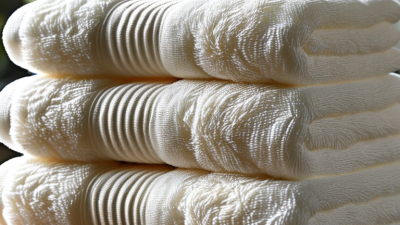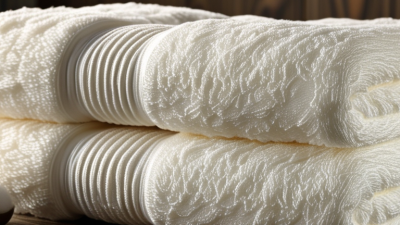
Choosing the right Cotton Towels for wholesale is not simply a matter of finding the softest sample. Buyers must balance absorbency, durability, appearance, price, and repeat supply. A towel can feel luxurious in a showroom, then shrink noticeably after commercial laundering. That small failure can become an expensive complaint.
The 2024 Textile Exchange Materials Market Report estimates global fiber production reached about 124 million tonnes in 2023. Cotton remains one of the leading natural fibers, while demand for traceability and lower-impact materials continues to grow. Grand View Research also identifies hospitality, healthcare, and household use as important drivers of the global bath towel market. These reports suggest a practical direction: wholesale buyers need performance evidence, not attractive claims.
Cotton Incorporated fiber expert Dr. Vikki Martin describes cotton as “a natural, renewable, and biodegradable fiber.” Its comfort is valuable, but fiber quality still varies. Combed cotton, ring-spun yarn, long-staple fiber, and carefully controlled GSM can produce very different results. The label alone does not guarantee performance.
This guide reviews ten strong Cotton Towels options for 2026. It considers GSM, edge stitching, drying speed, colorfastness, shrinkage, certifications, minimum order quantities, and landed cost. Samples should be washed before approval. Always.
Some rankings remain imperfect. Supplier data can be incomplete, and advertised specifications may change between production runs. That is why buyer experience matters. A reliable towel should survive repeated washing, stack neatly, dry within a reasonable cycle, and remain presentable in a guest bathroom or retail package. The best choice is rarely the cheapest unit. It is the towel that continues performing after the invoice is forgotten.
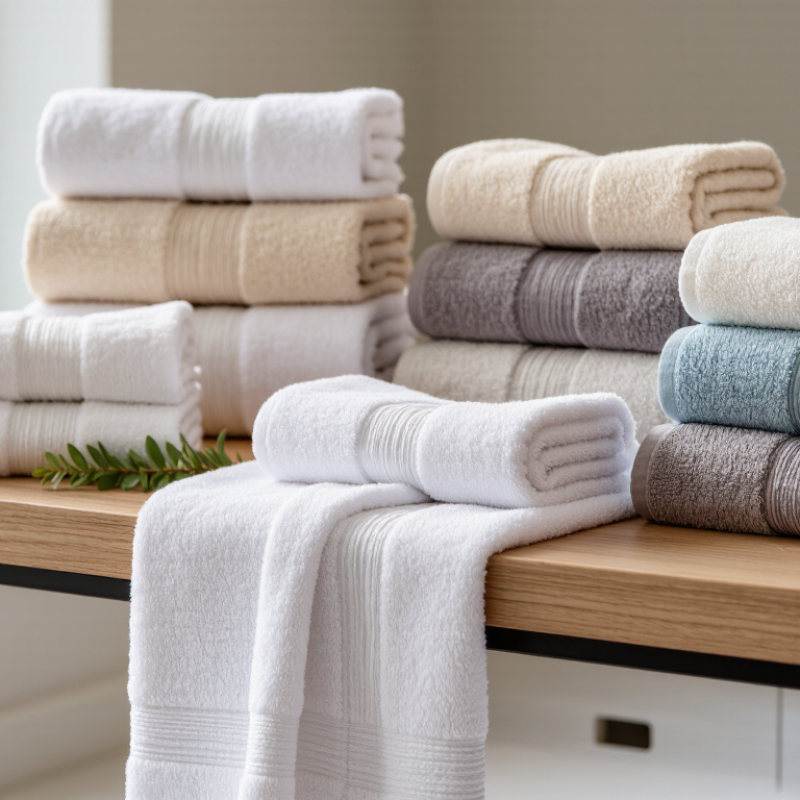
Cotton towels look simple, but wholesale decisions begin with fiber, weight, and intended use. Combed cotton usually feels smoother because shorter fibers are removed during processing. Carded cotton can reduce cost, though its surface may feel less even. For hotel, gym, and salon orders, match the towel to repeated washing. A 400–600 GSM bath towel often balances absorbency, drying time, and shipping weight. Hand towels may need less weight. That choice matters.
Ask for a physical sample before approving bulk production. Rub the pile, inspect the hems, and check whether the edges curl after washing. Measure the towel before and after laundering, since cotton can shrink noticeably. Record size, GSM, yarn type, color, and tolerance in the purchase specification. Colorfastness deserves attention when towels face detergent and warm water. A simple wash test can reveal loose lint, uneven dyeing, and weak stitching. Do not trust softness alone. It can mislead.
Packaging also affects quality. Over-compressed cartons may flatten the pile, while damp storage can create odor and mildew risk. Use dry, breathable storage and confirm carton counts before dispatch. In practical sample reviews, attractive towels sometimes fail because production uses thinner yarn or inconsistent dimensions. That risk is easy to underestimate. Request inspection photos, random measurements, and a pre-shipment report for substantial orders. Still, no checklist replaces clear communication about actual use. A towel for daily showers is not the same as one for display baskets.
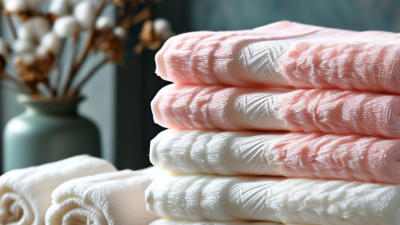
Wholesale buyers need more than a soft towel sample. They need consistent performance across hundreds or thousands of units. Cotton quality is the starting point. Check fiber length, yarn strength, and combing quality. Longer fibers usually create smoother, stronger towels. However, supplier claims need practical verification.
During wholesale inspections, I compare GSM, loop density, absorbency, and edge stitching. A higher GSM is not automatically better. Heavy towels may feel luxurious but require longer drying times. Ask for samples after washing, not only fresh production pieces. Measure shrinkage, colorfastness, lint release, and softness after several wash cycles. I once approved a towel with excellent first-touch comfort, but its edges weakened after repeated washing. That mistake changed my evaluation process.
Tips: Request a production sample with the final dye and stitching. Test it under realistic conditions, such as hotel bathrooms or gym lockers. Record dry time, weight change, and visible wear. Review independent test reports when available, but do not treat paperwork as a substitute for physical inspection. Also check packaging, carton strength, labeling accuracy, and delivery consistency. A reliable supplier should explain production tolerances clearly. Small variations are normal, yet unexplained differences can create customer complaints. No inspection method is perfect. Recheck critical measurements before placing a large order.
A practical comparison of cotton towel specifications for hospitality, retail, spa, fitness, pool, salon, and household wholesale programs.
| No. | Towel Profile | Typical Size | Recommended GSM | Cotton Construction | Wholesale Strength | Key Quality Checks | Best-Fit Buyers | Drying Profile | Overall Fit for Wholesale |
|---|---|---|---|---|---|---|---|---|---|
| 1 | Premium Bath Towel | 70 × 140 cm | 600–700 GSM | 100% cotton; dense terry loops; double-stitched hems | Strong comfort, absorbency, and perceived value for standard bath sets | Loop density, edge durability, colorfastness, shrinkage after washing, and lint release | Hotels, spas, premium retail, and home-textile distributors | Moderate | Excellent |
| 2 | Hotel Bath Towel | 70 × 140 cm | 500–600 GSM | Combed or ring-spun cotton; durable terry construction | Balances laundering cost, service life, absorbency, and guest comfort | Wash-cycle performance, whiteness retention, seam strength, absorbency, and dimensional stability | Hotels, serviced apartments, hospitals, and accommodation suppliers | Fast to moderate | Excellent |
| 3 | Luxury Bath Sheet | 90 × 150 cm | 650–800 GSM | Long-staple cotton; plush terry loops; reinforced hems | High retail appeal and premium room or spa presentation | Even pile height, yarn quality, pull resistance, edge finishing, and wet absorbency | Luxury hospitality, spas, resorts, and premium gift retailers | Slow | Very Good |
| 4 | Pool and Beach Towel | 75 × 150 cm | 400–550 GSM | Ring-spun cotton; terry or sheared construction; broad hems | Large usable surface with lower weight and faster turnover than luxury bath sheets | Colorfastness to sunlight and chlorine, sand release, edge strength, and drying time | Resorts, swimming facilities, cruise operations, and leisure retailers | Fast to moderate | Excellent |
| 5 | Spa and Massage Towel | 50 × 90 cm | 500–650 GSM | 100% cotton terry; soft hand feel; secure hem construction | Comfortable size for treatment rooms and frequent commercial laundering | Softness after repeated washing, oil-stain management, absorbency, lint level, and seam quality | Spas, wellness centers, salons, and massage-service wholesalers | Moderate | Excellent |
| 6 | Fitness and Gym Towel | 30 × 50 cm | 350–500 GSM | Combed cotton; compact terry; reinforced side seams | Lightweight, easy to launder, and suitable for high-volume replacement programs | Absorbency, color bleeding, seam strength, compact packing, and resistance to frequent washing | Gyms, sports clubs, schools, and promotional merchandise distributors | Fast | Excellent |
| 7 | Hand Towel | 40 × 70 cm | 450–550 GSM | Ring-spun cotton terry; neat dobby or plain hems | Versatile size for bathroom sets, guest use, and retail multipacks | Absorbency, dimensional stability, pile uniformity, colorfastness, and hanging-loop attachment | Retail chains, hotels, restaurants, offices, and household distributors | Fast to moderate | Excellent |
| 8 | Face and Guest Towel | 30 × 30 cm | 400–500 GSM | Soft cotton terry; low-lint yarn; compact finishing | Efficient shipping and easy bundling in bathroom or travel sets | Skin comfort, lint release, absorbency, edge neatness, and shrinkage after laundering | Hotels, beauty retailers, gift-set suppliers, and travel businesses | Very fast | Very Good |
| 9 | Salon and Barber Towel | 30 × 76 cm | 400–500 GSM | Cotton terry; compact size; colorfast dyed construction | Designed for repeated use, efficient storage, and regular commercial washing | Resistance to hair dye and chemical staining, colorfastness, lint level, seam strength, and drying time | Hair salons, barber shops, beauty schools, and professional-laundry suppliers | Fast | Very Good |
| 10 | Kitchen and Utility Towel | 40 × 60 cm | 350–450 GSM | Cotton terry, waffle, or flat-weave construction; hanging loop optional | Low unit weight, broad household demand, and convenient multipack packaging | Wet absorbency, lint performance, colorfastness, wash durability, and resistance to edge fraying | Household retailers, food-service distributors, and cleaning-supply wholesalers | Fast | Very Good |
Evaluation note: GSM means grams per square metre. Higher GSM generally indicates a denser and heavier towel, but it can also increase drying time, freight weight, and laundering cost. Before placing a wholesale order, buyers should verify fiber composition, actual finished dimensions, GSM tolerance, shrinkage, colorfastness, absorbency, seam strength, applicable safety requirements, packaging, and wash-test results using production samples.
The top 10 cotton towels for wholesale purchasing in 2026 should match usage, not merely appearance. Strong options include ring-spun bath towels, combed cotton hotel towels, zero-twist spa towels, compact gym towels, hand towels, washcloths, pool towels, salon towels, kitchen towels, and lightweight travel towels. Each serves a different buyer and operating environment.
Textile Exchange’s 2024 Materials Market Report states that global fiber production reached about 124 million tonnes in 2023. Cotton remains a major natural-fiber choice, but sourcing quality still varies widely. Wholesale buyers should compare GSM, yarn type, absorbency, shrinkage, colorfastness, and stitching. A 500–650 GSM bath towel often feels substantial without becoming excessively slow to dry. That balance matters in hotels and fitness facilities.
Do not assume heavier means better. It can mean higher freight costs and longer drying cycles. I have seen attractive towels fail after repeated commercial washing. Sample testing should include at least five wash cycles, edge inspection, and drying-time checks. The Global Organic Textile Standard also requires certified products to meet defined environmental and social criteria, which can strengthen supplier verification. Still, certification alone cannot replace physical testing. A small weakness remains: wholesale comparisons often overlook packaging volume, although storage space can quietly affect total cost.
For wholesale buyers in 2026, cotton towel selection starts with measurable performance, not attractive packaging. I compare absorbency, durability, weight, and landed pricing before approving a bulk order. A dense combed-cotton towel often absorbs quickly, while a lighter ring-spun towel dries faster between uses. That difference matters in gyms, salons, hotels, and cleaning programs. Request samples from each shortlisted supplier. Wet them evenly. Record water uptake after thirty seconds and again after wringing.
Durability depends on fiber quality, loop construction, stitching, and washing conditions. I inspect edge binding after repeated hot washes, because weak seams create avoidable replacement costs. Weight needs careful comparison. A 600 GSM towel feels luxurious, but shipping and drying expenses can rise. A 400 GSM option may deliver better turnover for high-volume facilities. Pricing should include unit cost, freight, customs estimates, packaging, and expected service life. I once favored the cheapest sample; its loops flattened quickly. That mistake changed my buying checklist.
Tips: Set a minimum absorbency target and a maximum acceptable shrinkage rate. Wash three samples at least five times before negotiating quantities. Compare price per usable wash, not price per towel. Ask for fiber composition and test reports, but verify claims independently. Keep a small reserve for color variation and delayed replenishment.
Wholesale towel selection starts with the customer’s daily use. A gym needs quick-drying towels with strong edges. Hotels often prefer generous bath sizes and a soft hand feel. Salons may value darker colors that hide hair dye. Do not choose by softness alone. Some very soft towels shed lint after repeated washing.
Check fiber content, yarn quality, weight, and construction. Combed cotton usually feels smoother, while ring-spun yarn can offer a refined surface. GSM helps compare weight, but it does not guarantee absorbency. A dense 500 GSM towel may outperform a heavier towel with loose loops. Inspect the hem, corner stitching, loop height, and color consistency. Small flaws become expensive across thousands of pieces.
Request samples from each supplier and record wash results. Wash them at the temperature your buyers commonly use. Measure shrinkage, drying time, lint release, and color change after several cycles. I once favored a plush sample, but its slow drying frustrated a humid-market customer. That mistake changed my buying checklist. Ask for test reports, production tolerances, packaging details, and replenishment capacity. Confirm whether the quoted price includes embroidery, labeling, cartons, and shipping. Market preference still matters. White may suit hospitality, while darker towels may sell better in fitness and beauty channels.