What is a Bottle Opener and How Does It Work?
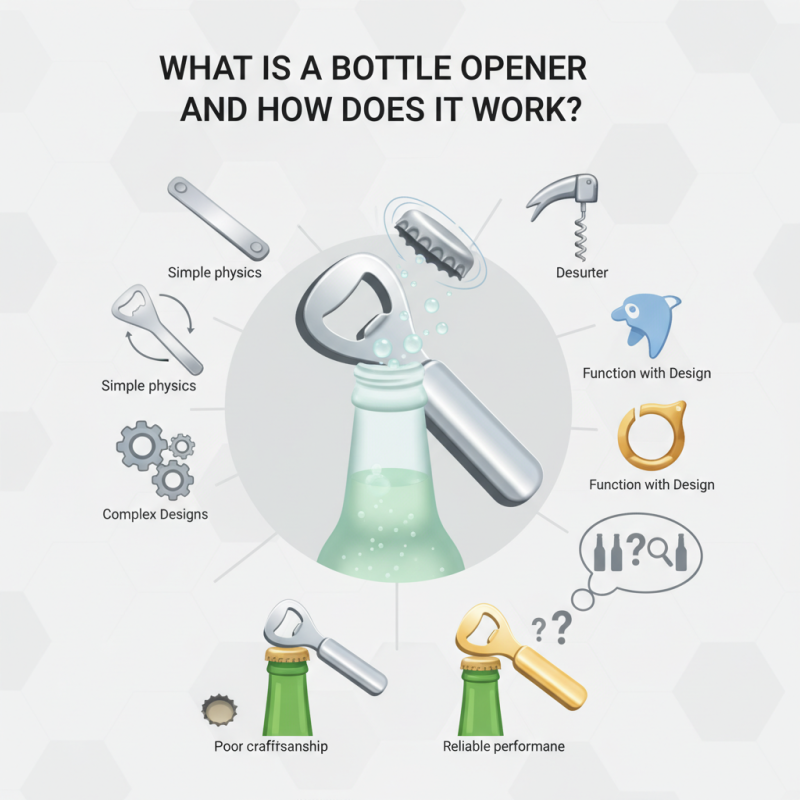
Bottle openers are among the most utilitarian tools found in numerous homes and bars. They allow us to enjoy bottled beverages effortlessly. According to Jack Miller, a bottle opener industry expert, "A good opener combines function with design." This highlights the essential duality of these tools; they are not just practical but also a canvas for creativity.
The mechanics of bottle openers can vary. Some leverage simple physics while others utilize complex designs. Traditional models often feature a metal lever while modern variations may have unique shapes or artistic elements. Each bottle opener serves a similar purpose, yet they can bring distinct experiences.
However, not every bottle opener is created equal. Some struggle with tougher bottle caps, leaving us frustrated. Design flaws and poor craftsmanship can hinder performance. It challenges us to reconsider our choices next time we need to pop a bottle. With so many options, finding the perfect bottle opener can often feel overwhelming. Yet, understanding their workings can make a difference in selecting the ideal one.
What is a Bottle Opener?
A bottle opener is a simple tool designed to remove caps from bottles. It comes in various shapes and sizes, often made of metal or plastic. This handy device makes opening beverages quick and easy. The most common type is the lever opener, featuring a curved handle and a sturdy metal tip. When you insert the tip under the cap and pull the handle down, the cap pops off smoothly.
The design may seem straightforward, yet its efficiency is impressive. Many people overlook its importance until they struggle with a stubborn cap. It’s interesting how a small tool can bring such convenience. Moreover, opening a bottle traditionally requires some finesse. Not everyone manages it without spilling a drink or bending the cap.
There are also multi-use openers that combine additional tools. This can complicate things if you're not familiar with them. Sometimes, people pull too hard or at the wrong angle, resulting in broken bottles. It’s crucial to use the right technique to avoid accidents. Every bottle opener tells a story, whether it’s from a backyard barbeque or a fancy dinner party.
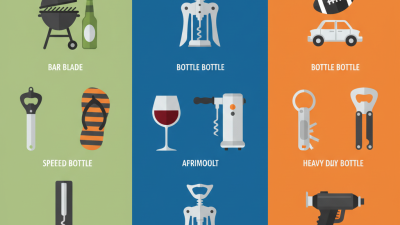
Popularity of Different Types of Bottle Openers
The History of Bottle Openers
The bottle opener has a rich history, dating back to the 17th century. Originally, bottles were sealed with corks. People used simple tools, like knives, to remove corks from bottles. This often led to damaged bottles or cork fragments in the drink.
The first patented bottle opener appeared in the 1800s. The design evolved as the need for more effective tools grew. In 1892, the first can opener was patented, which introduced the idea of a dual-function tool. Fast forward to today, the bottle opener remains a common household item. According to a 2021 industry report, 75% of households in the U.S. own at least one. The variety is vast—we now find openers shaped like animals, keys, and even electronic devices.
However, the emergence of twist-off caps has raised questions about the bottle opener's relevance. Some argue that these caps make openers obsolete. Yet, the bottle opener persists as a nostalgic and fun tool. It embodies a tactile experience. In many social gatherings, it becomes a conversation starter. Despite changing bottle closures, the charm of the classic bottle opener remains.
Types of Bottle Openers and Their Designs
Bottle openers come in various designs, each with unique features. Basic models are simple and effective. These often include the classic handheld opener. It consists of a lever and a metal tip. This design allows for quick access to bottled beverages.
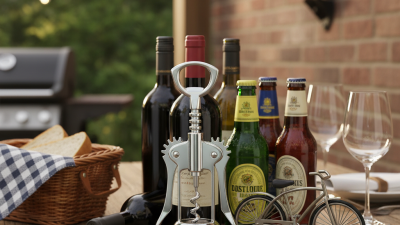
Some openers are more intricate. Corkscrew-style openers combine a corkscrew with a bottle opener. They are handy for wine lovers. Others feature multifunctional designs. Some even include a built-in knife or can opener. This versatility can be useful, but it may lead to confusion when trying to use multiple functions at once.
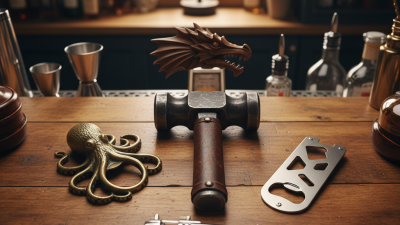
Creative designs can also be found. Keychain bottle openers are compact and portable. They fit easily into pockets. Certain novelty openers take on fun shapes or themes. However, these may sacrifice functionality for aesthetics. Sometimes an opener looks appealing but doesn't work well. It's essential to find a balance between style and usability when choosing the right bottle opener.
What is a Bottle Opener and How Does It Work? - Types of Bottle Openers and Their Designs
| Type of Bottle Opener |
Material |
Mechanism |
Common Uses |
| Waiter's Corkscrew |
Stainless Steel, Plastic |
Lever Action |
Wine Bottles |
| Wall-Mounted Opener |
Metal |
Manual Pull |
Bars, Garages |
| Keychain Opener |
Metal, Plastic |
Twist Action |
Everyday Carry |
| Electric Bottle Opener |
Plastic, Stainless Steel |
Electric Motor |
Home Use, Parties |
| Multi-tool Opener |
Stainless Steel |
Multi-functional |
Outdoors, Camping |
How a Bottle Opener Works: Mechanisms Explained
A bottle opener is a handy tool designed to remove bottle caps. It usually comes in various styles. Different mechanisms allow us to open bottles quickly and efficiently. The most common type is the lever opener. It uses a simple pivot point to create leverage. This allows for easy removal of caps with minimal effort.
Another type is the twist-off bottle opener. This tool has a spiral design that grips the cap. As you twist, it slowly loosens the cap. Often, this method requires patience. Not everyone's twist is flawless. Sometimes, the cap may fly off unexpectedly.
Tips: When using a lever opener, position it near the edge of the cap. This gives you optimal leverage. If using a twist-off opener, apply steady pressure while twisting. It helps avoid spills or accidents. As you practice, your technique will improve. Don't rush; a careful approach yields better results.
Tips for Choosing the Right Bottle Opener for Your Needs
Choosing the right bottle opener can enhance your drinking experience. You should consider a few key factors. First, think about the type of bottles you'll be opening. A simple cap remover works for most beers. However, specialty wines require a corkscrew design.
Next, consider your comfort. An ergonomic handle can prevent slipping. This is crucial if you'll be using it often. Test different styles. Some are bulky and hard to grip. Others are sleek but lack power. Finding a balance matters.
Lastly, look for durability. An opener that breaks easily is frustrating. Material quality plays a role here. Stainless steel is often sturdy, but plastic options are lightweight. Reflect on your needs before making a purchase. Each type has its pros and cons. Investing some time into this choice is worthwhile.