How to Choose the Best Event Lanyard for Your Next Event?
Choosing the right Event Lanyard can be crucial for any gathering. According to Sarah Thompson, an industry expert at Event Essentials, "A lanyard isn't just a holder; it's part of your event's identity." This highlights the importance of selecting the proper lanyard for your occasion.
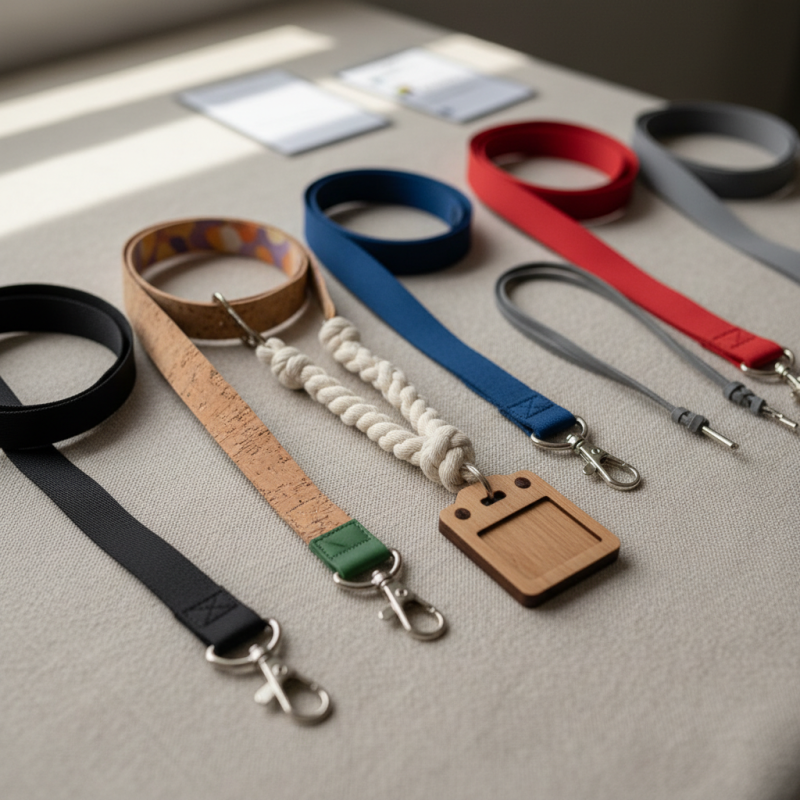
Event Lanyards come in various styles, colors, and materials. Finding the right one can be overwhelming at times. It’s essential to consider the event's theme and target audience. A mismatched lanyard could send the wrong message, making attendees feel less engaged.
Pay attention to the little details. Do not underestimate the power of customization. Branding can add value. However, too much flair can create confusion. Keep it simple yet striking. Reflect on what your Event Lanyard represents. It should enhance, not detract from the experience.
Choosing the Right Material: A Key Factor in Lanyard Effectiveness
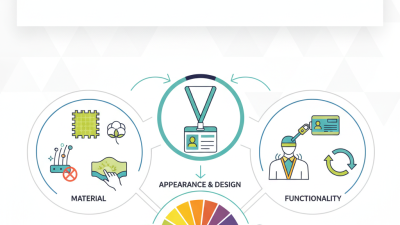
Choosing the right material for your event lanyard can greatly impact its effectiveness. You want a lanyard that is not only durable but also comfortable for attendees. Polyester is commonly used for its strength and flexibility. It can hold up well in various conditions, making it ideal for both indoor and outdoor events. On the other hand, cotton lanyards provide a softer feel but may not be as resilient. Consider the environment where the lanyard will be used.
Tips: Think about the event length. If it's a long event, opt for a breathable material to enhance comfort. Evaluate the weather conditions too. For rainier locales, waterproof lanyards can save you headaches.
Using recycled materials is an excellent option to showcase sustainability. You can make a statement while promoting eco-friendliness. This choice can resonate with attendees. Keep in mind, however, that recycled materials may come with a different texture or appearance. It's worth testing samples before making a decision.
The lanyard thickness should also be considered. Thicker lanyards tend to be more durable but can feel heavy around the neck. A balance is necessary. Opt for a thinner design for a lightweight experience, but ensure it can hold ID cards securely. Reflect on what will work best for the specific feel you want to create.
How to Choose the Best Event Lanyard for Your Next Event? - Choosing the Right Material: A Key Factor in Lanyard Effectiveness
| Material Type |
Durability |
Comfort |
Weight |
Cost Effectiveness |
| Polyester |
High |
Moderate |
Lightweight |
Affordable |
| Nylon |
Very High |
High |
Lightweight |
Moderate |
| Cotton |
Moderate |
Very Comfortable |
Medium |
Moderate |
| Eco-Friendly Materials |
High |
Moderate |
Medium |
High |
| Polypropylene |
Moderate |
Moderate |
Very Lightweight |
Very Affordable |
Evaluating Length and Width for Optimal Comfort and Visibility
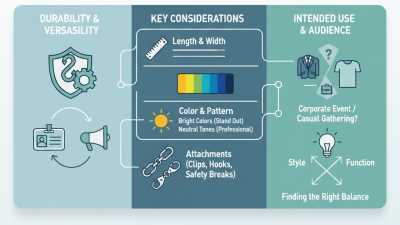
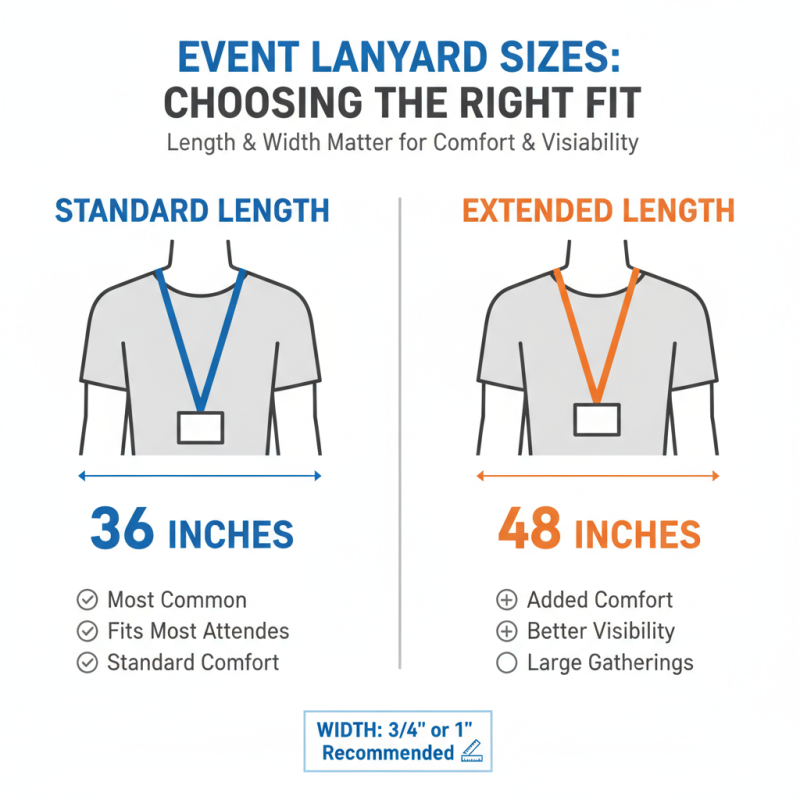
When choosing event lanyards, length and width play crucial roles. A common length for lanyards is 36 inches. This size typically fits well on most attendees. However, some may prefer an extended length of 48 inches for added comfort. This extra length allows for better visibility, especially in larger gatherings where people may need to display their badges prominently.
Width is equally important. Most lanyards are 0.75 inches to 1 inch wide. A wider lanyard can offer better comfort and support. Studies show that a 1-inch-wide lanyard reduces pressure on the neck. But, personal preferences also matter. Some might find a thin lanyard more stylish. Balancing comfort and aesthetics is vital; after all, attendees wear these for hours.
Consider weight as well. A lightweight lanyard offers better wearability. Lanyards made with soft materials like polyester can prevent discomfort. It’s essential to evaluate different materials and designs. The right choice can enhance the event experience. Failing to account for these factors can lead to dissatisfaction among attendees.
Designing for Branding: Customization Options That Stand Out
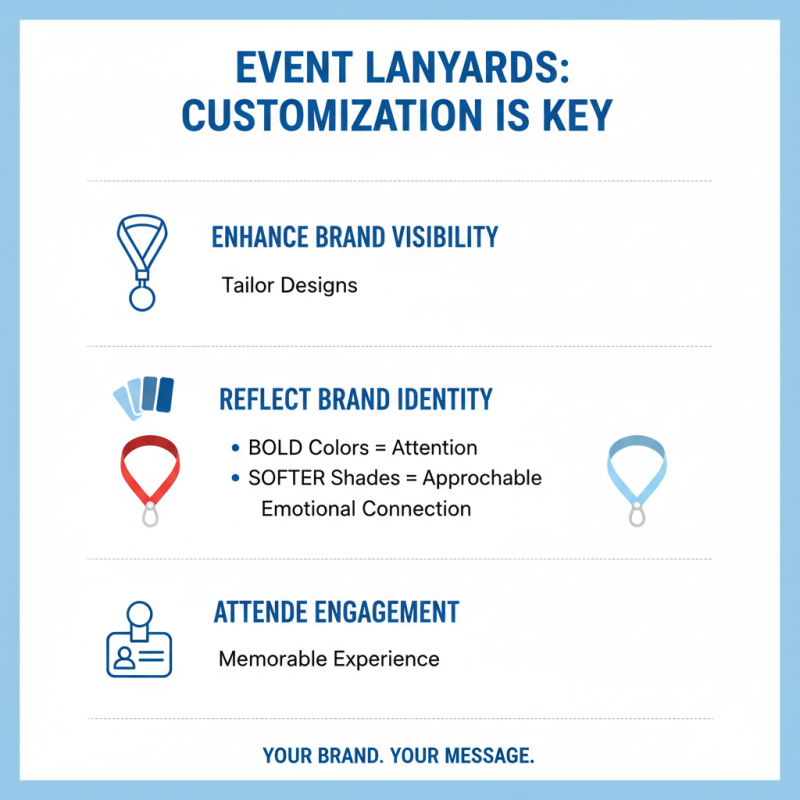
When it comes to event lanyards, customization is key. Tailoring designs can significantly enhance your brand's visibility. Color choices should reflect your brand identity, helping attendees connect emotionally. Bold colors attract attention, while softer shades may feel more approachable.
Imagery matters too. Incorporating logos or themes can create a cohesive look. However, make sure images are high-resolution. Blurry logos can appear unprofessional. Consider using fonts that are legible from a distance. Many underestimate this, leading to wasted opportunities for recognition.
Don’t overlook additional features. Consider adding safety breakaways or swappable card holders. These small details can enhance functionality. Yet, some may forget to test these features, leading to frustration at the event. Ultimately, the right lanyard is not just about looks but also about creating a memorable experience for attendees.
Understanding Safety Features: Breakaway vs. Non-Breakaway Lanyards
When selecting event lanyards, safety features are crucial.
Breakaway lanyards are designed to snap apart under tension.
This feature is essential for crowded spaces. If someone gets caught, the lanyard will come off easily.
This can prevent choking or injury. It’s a simple, yet effective safety measure.
In contrast, non-breakaway lanyards lack this feature.
They are more durable but can pose risks in emergencies. If someone falls or is pulled, the lanyard stays intact.
This could lead to serious injury. Think about the environment when choosing. Some settings may require stricter safety measures.
While breakaway lanyards offer peace of mind, they may not be suitable for every event.
You should consider your audience. Dynamic activities may need the added safety of breakaway options.
Yet, if you focus on style and branding, non-breakaway designs could appeal more.
Evaluate the trade-offs carefully to ensure you make the right decision for everyone involved.
Budgeting for Quality: Average Costs and Market Trends for Event Lanyards
When planning an event, lanyards are crucial. They carry ID cards and enhance branding.
However, budgeting for quality is essential. Market trends indicate an average cost of $1.50 to $5.00 per lanyard,
depending on materials and features. Simple polyester lanyards are cheaper, while those with safety breakaways or decorative prints come at a higher price.
In recent years, the event lanyard market has shown growth. A report from the Promotional Products Association International highlights a
6% increase in lanyard demand over the past two years. Price sensitivity remains a concern.
Many organizers opt for low-cost options, risking quality. Poor materials can lead to wear and tear during the event, which negatively impacts overall branding.
Selecting the right lanyard means balancing cost and durability. Some lanyards fray easily while others hold up well.
Trends suggest eco-friendly materials are gaining popularity. However, they may cost more upfront.
An investment in quality often pays off in the long run. Yet, many still choose cheaper alternatives,
which can backfire during high-profile events.