Get Instant Quote
Leave Your Message

How to Choose the Best Hanging Car Air Freshener

Choosing the best Hanging Car Air Freshener involves more than picking a pleasant fragrance. Your car’s size, ventilation, interior materials, and personal scent tolerance all matter. A strong aroma may seem appealing in a store, but it can become overwhelming during a long commute. The right option should refresh the cabin without distracting the driver or causing discomfort.

A practical choice begins with fragrance strength and lasting performance. Look for clearly labeled ingredients, secure packaging, and instructions from a reputable manufacturer. Natural-looking designs can be attractive, but appearance does not prove quality. Check whether the product may stain dashboards, seats, or trim when exposed to heat. It should never block the driver’s view or interfere with vehicle controls. Safety matters.

Test it carefully. Start with a mild scent.

Real-world experience often reveals details that product descriptions miss. A paper freshener may fade quickly in summer, while a vented design can spread fragrance more evenly. However, stronger is not always better. Sensitive passengers may prefer clean, subtle notes such as citrus, linen, or light wood. Drivers with allergies should review the label and stop using the product if irritation occurs. Follow the manufacturer’s guidance, and avoid placing any freshener where it can swing into your line of sight. There is no perfect choice for every vehicle. Personal preference changes, too. This guide compares practical features, scent types, durability, and safety considerations, helping you make a more informed decision. A little testing helps.
How to Choose the Best Hanging Car Air Freshener

Understanding Hanging Car Air Freshener Types and Fragrance Formats

How to Choose the Best Hanging Car Air Freshener

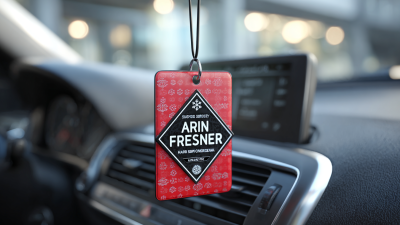
Understanding the fragrance format matters more than choosing the strongest scent. Scented paper or fiber cards release fragrance gradually through open air. They are light, affordable, and easy to replace. However, heat can make their aroma fade quickly. In a parked car under summer sunlight, this change can happen within days.

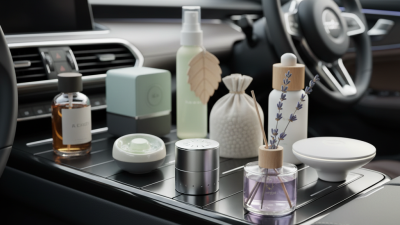
Liquid-filled hangers usually provide a richer, longer-lasting fragrance. Their small container may include a porous wooden cap or absorbent strip. Check that the seal is secure before hanging it. Leaking fragrance can stain dashboards, fabric, or painted surfaces. Gel formats release scent more slowly and suit drivers who dislike sharp fragrance bursts. Wood-based hangers offer a drier, subtler scent, although their performance may feel inconsistent.

Fragrance notes also affect comfort. Citrus and mint can feel clean during morning commutes. Lavender, cedar, or soft vanilla may feel calmer on long drives. Strong sweet notes can become tiring in a warm cabin. I once chose a powerful scent because it seemed effective in the store. After an hour, it distracted me. That choice needed more thought.

Hang the freshener where it cannot obstruct vision or touch hot surfaces. Keep it away from children and pets. Read the material and safety instructions, especially if you have allergies or asthma. A milder format may be the better choice. The most pleasant fragrance is not always the most noticeable one.
Evaluating Scent Strength, Longevity, and Ingredient Safety

Choosing the best hanging car air freshener requires more than liking its first impression. Test scent strength after ten minutes, then again after several hours. A powerful fragrance can quickly become tiring in a small cabin. The U.S. Environmental Protection Agency reports that indoor VOC levels are often two to five times higher than outdoor levels, and sometimes exceed them by over 100 times. A car is not a living room, but its sealed cabin deserves similar caution. Look for clear ingredient information, fragrance-allergen disclosures, and safety guidance. “Natural” does not automatically mean safer.

Longevity also needs practical testing. Many products smell strong for two days, then fade noticeably. Heat, sunlight, ventilation, and the size of the cabin can change performance. Industry odor testing often uses ASTM E544, which compares perceived intensity against reference standards. However, personal sensitivity still varies. My own testing has shown that a mild scent can feel stronger during a long drive. That weakness matters. Avoid judging only in a shop.

Tips: Choose adjustable intensity when possible. Keep the product away from airbags and windows. Do not let liquid touch dashboards or upholstery. Check the Safety Data Sheet when available, and stop using the product if it causes headaches, coughing, or skin irritation. Ventilate the vehicle regularly, especially after parking in direct sun. A shorter-lasting scent may be the more sensible choice.

How to Choose the Best Hanging Car Air Freshener

A practical evaluation model based on scent strength, longevity, and ingredient safety

This weighted model gives the greatest importance to ingredient safety and transparent labeling, followed by scent longevity and scent strength. Check the ingredient list, avoid products that cause irritation, and choose a fragrance intensity that remains comfortable during regular driving.

Matching Fragrance Profiles to Personal Preferences and Driving Needs

How to Choose the Best Hanging Car Air Freshener

Matching Fragrance Profiles to Personal Preferences and Driving Needs

Choosing a hanging car air freshener starts with your daily driving routine. A bright citrus scent can feel clean during morning commutes. Woody or herbal notes may suit longer drives and quieter roads. Sweet fragrances often feel warm, but they can become tiring in a small cabin.

I once chose a strong vanilla scent because it smelled pleasant in a shop. After thirty minutes in traffic, it felt heavy and distracting. That experience changed my method. I now test a fragrance briefly before buying it. Notice how it smells after the car warms up, not only when the package opens. Temperature can increase scent intensity.

Consider your personal sensitivity, too. People prone to headaches may prefer light citrus, green tea, or unscented options. Drivers who share a vehicle should avoid highly personal scents. A mild profile is usually more practical. Ventilation also matters. Keep the freshener away from the driver’s direct breathing area, and never let it block visibility or vehicle controls. Follow local safety guidance for hanging accessories.

The shape and material can affect performance. Paper products release fragrance gradually, while porous wood may feel stronger at first. Check the instructions and remove excess packaging carefully. My judgment is not perfect; a scent that seems gentle today may feel dull next week. Reassess it after several drives, especially when weather, passengers, or driving stress changes.

How to Choose the Best Hanging Car Air Freshener - Matching Fragrance Profiles to Personal Preferences and Driving Needs
Fragrance Profile Typical Scent Notes Perceived Intensity Typical Effective Life* Best Driving Needs Suitable Personal Preferences Potential Considerations Recommended Use
Fresh Citrus Lemon, lime, orange, grapefruit, and light herbal notes 3/5 2–4 weeks Morning commutes, urban driving, and short daily trips Drivers who prefer clean, bright, and energizing scents Sharp citrus notes may feel strong in a small, poorly ventilated cabin Choose a moderate-strength version and keep it away from direct sunlight
Clean Linen Fresh cotton, airy aldehydic notes, soft soap, and light musk 2/5 3–5 weeks Family vehicles, shared cars, and everyday commuting Drivers who want a subtle, neutral, freshly cleaned impression Some formulas can smell powdery or soapy when used in excess Use a low-intensity hanging freshener for a less intrusive cabin scent
Green Herbal Cut grass, tea leaves, basil, pine, and mild leafy notes 3/5 2–4 weeks Long commutes, daytime driving, and warm-weather use Drivers who prefer natural, outdoors-inspired fragrances Pine and herbal notes may become noticeably sharper in hot weather Select a balanced blend with citrus or soft woods to reduce harshness
Oceanic Aquatic Cool water, sea air, mineral notes, and light ozone accords 3/5 2–4 weeks Hot climates, frequent driving, and vehicles needing a cooling impression Drivers who like crisp, airy, and refreshing scents Strong ozone notes may seem artificial or overly sharp to fragrance-sensitive users Start with a low-intensity option and increase exposure gradually
Soft Floral Lavender, jasmine, rose, violet, and gentle powdery notes 2–3/5 2–4 weeks Relaxed weekend driving and calm evening journeys Drivers who enjoy smooth, comforting, and lightly sweet fragrances Heavy floral formulas may feel cloying during long trips or in warm cabins Prefer a soft floral blend with clean or green supporting notes
Woody Amber Cedar, sandalwood, amber, resin, and subtle spice 4/5 3–6 weeks Long-distance driving, cooler seasons, and evening travel Drivers who prefer warm, sophisticated, and lasting fragrances Higher-intensity woody scents may be tiring in compact cabins Choose a slim hanging format and avoid placing it directly beside the face
Vanilla Gourmand Vanilla, caramel, tonka bean, cocoa, and creamy sugar notes 4/5 3–6 weeks Cool-weather driving and drivers seeking strong odor coverage Drivers who enjoy sweet, cozy, and dessert-like fragrances Sweet notes can become overwhelming in heat and may not suit passengers sensitive to fragrance Use a mild version and allow ventilation during the first few hours
Leather and Tobacco Dry leather, cedar, tobacco leaf, smoke, and warm spice 4/5 3–6 weeks Drivers wanting to mask persistent interior odors or create a mature atmosphere Drivers who prefer deep, dry, and less sweet fragrances Smoke-like notes may bother passengers who dislike tobacco-associated odors Use sparingly and select a ventilated placement away from direct airflow
Unscented Odor Neutralizer Minimal or no added fragrance; odor-absorbing or neutralizing formulation 1/5 2–8 weeks Shared vehicles, rides with children, and fragrance-sensitive passengers Drivers who want odor control without a noticeable perfume scent It may not provide the recognizable fresh fragrance some users expect Clean the odor source first; use the neutralizer as a supporting measure
*Typical effective life is an estimate for hanging products under moderate conditions. Heat, direct sunlight, ventilation, product size, and fragrance intensity can shorten or extend performance. Do not block the driver's view, and follow the product's safety and placement instructions.

Checking Design, Adjustability, and Compatibility with Your Vehicle

Choosing a hanging car air freshener starts with design, not fragrance alone. A slim shape is less likely to block the windshield, mirror, or instrument display. Rounded edges also reduce snagging when passengers enter. Allied Market Research estimated the global automotive air freshener market at about USD 1.9 billion in 2021. Its forecast suggests steady growth through 2031. That expansion reflects demand, but more products can create more poor fits. Fit matters.

Adjustability is practical during daily driving. Look for a cord with several length settings, then keep the freshener below your natural sightline. Test it while parked. Check whether it swings into the steering wheel, gear selector, or touchscreen. Never attach it near an airbag panel. The National Highway Traffic Safety Administration warns that loose cabin objects can become hazards during a crash. Your vehicle manual remains the strongest compatibility reference. Keep it simple.

Compatibility also includes heat, airflow, and interior materials. A vented design may release scent faster in direct airflow, while a sealed holder can last longer in sunlight. Grand View Research’s automotive air freshener analysis identifies liquid, gel, and solid formats as major product categories, each with different release behavior. I once chose a decorative model with a long cord. It looked attractive, but it tapped the glass on sharp turns. That choice was wrong. Check cord strength, container seals, and surface contact before buying. Avoid designs that leak onto dashboards, coated trim, or fabric. A small trial period helps, although I still find fragrance strength difficult to judge online.

Comparing Value, Maintenance, and Environmental Considerations

Choosing the best hanging car air freshener starts with value, not the lowest shelf price. A low-cost item may fade within two weeks, while a refillable design can last several months. Compare scent duration, refill prices, and packaging before buying. I check whether the fragrance remains noticeable after several commutes, rather than trusting a printed claim. Small details matter. A secure cord, sealed liquid, and adjustable scent opening reduce leaks and wasted product. Yet “long-lasting” is not a universal measurement. Cabin heat, sunlight, and airflow change performance.

Maintenance should be simple enough for real driving routines. Keep the container upright and away from dashboards, screens, and fabric trim. If liquid spills, wipe the surface immediately with a damp cloth and follow the vehicle maker’s care guidance. Replace the freshener when the scent becomes dull, not when the hanger looks attractive. Refillable models may reduce waste, but only when refills are easy to find and reasonably priced. Otherwise, the reusable shell can become another forgotten object. I have made that mistake.

Environmental considerations require more than choosing paper packaging. Look for concentrated refills, recyclable components, and clear disposal instructions. Avoid products with excessive plastic wrapping or unclear ingredient information. Fragrance sensitivity also matters; a powerful scent can cause headaches or distract some drivers. Ventilation helps, but it does not fix an overpowering formula. Independent safety information and transparent ingredient labeling provide stronger evidence than vague green language. My preference has changed over time: moderate fragrance, replaceable parts, and less packaging usually offer better everyday value.