Top Jet Tags Keychain Designs Trends for 2026 What to Know?
As we look ahead to 2026, the world of Jet Tags Keychain designs is evolving rapidly. These small accessories have become more than just functional items; they now serve as expressions of personal style. With unique designs, they can reflect individual personalities and interests.
In the coming years, expect Jet Tags Keychain trends to embrace vibrant colors and innovative materials. The shift towards sustainable materials is noteworthy. This change could lead to a greater focus on eco-friendly production. Keychains may soon feature personalized touches, making them truly one-of-a-kind.
However, not all design trends will resonate with everyone. Some may find certain styles too flashy or impractical. It's essential to consider both aesthetics and functionality. As we explore these trends, we must reflect on what truly matters. Are Jet Tags Keychain just trends, or are they meaningful to us? This question will guide our choices in the evolving market.
Key Trends in Jet Tag Keychain Designs for 2026
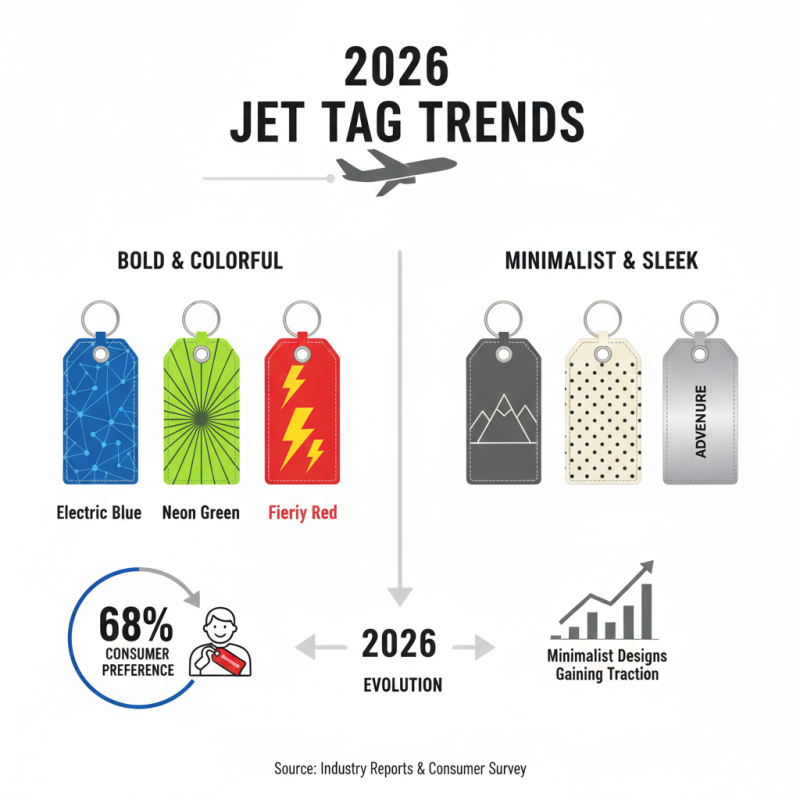
2026 is shaping up to be an exciting year for jet tag keychain designs. One key trend is the use of vibrant colors. Bold hues attract attention and express personality. Think neon greens, electric blues, and bright pinks. Minimalist designs are also gaining popularity. They offer simplicity and elegance, making a statement without overwhelming.
Another interesting aspect is the integration of textures. Keychains with raised patterns or unique finishes are definitely in. The tactile experience adds another layer of enjoyment. Some designs even incorporate eco-friendly materials. This reflects a growing awareness of sustainability among consumers.
However, not all designs resonate with people. Some may find overly intricate designs cluttered or hard to read. There’s a fine line between creativity and confusion. The challenge lies in balancing unique artistry with functionality. It's a conversation worth exploring as trends evolve.
Top Jet Tags Keychain Designs Trends for 2026
| Design Trend |
Description |
Popular Materials |
Target Audience |
| Eco-Friendly Designs |
Keychains made from sustainable materials like bamboo and recycled plastics. |
Bamboo, Recycled Plastic |
Environmentally conscious consumers |
| Minimalist Style |
Simple and sleek designs focusing on functionality. |
Aluminum, Stainless Steel |
Young professionals, urban dwellers |
| Customizable Features |
Keychains that allow users to add their personal touch through engraving or interchangeable tags. |
Plastic, Rubber |
Gift buyers, hobbyists |
| Tech-Integrated Designs |
Keychains with built-in technology like Bluetooth tracking. |
Plastic, Electronics |
Tech enthusiasts, travelers |
| Artistic Patterns |
Unique and colorful designs featuring artistic prints and patterns. |
Acrylic, Fabric |
Creative individuals, art lovers |
Evolution of Jet Tag Materials and Their Impact on Design
In 2026, jet tag keychain designs are evolving rapidly. The materials used for these tags play a crucial role in their appearance. Advances in technology allow for new textures and finishes. From metal to eco-friendly plastics, options are diverse. Each material adds a unique flair. However, not all materials are perfect. Some lack durability against wear. Others may not be as environmentally friendly as they seem.
**Tips**: When selecting materials, consider longevity. Lightweight options are often more appealing, but they might not last. A balance between aesthetics and functionality is essential.
Design trends focus on personalization. Custom shapes and sizes are gaining popularity. Consumers want tags that reflect their personality. This trend encourages creativity, yet it raises questions about sustainability. Some designs may use excessive materials. Finding ways to minimize waste while maximizing impact is a challenge.
**Tips**: Always prioritize sustainable choices. Look for vendors who use recycled materials. Small changes can lead to significant improvements in environmental impact.
Top Jet Tags Keychain Designs Trends for 2026
This chart illustrates the popularity of various jet tag keychain materials projected for 2026. As seen, metal is leading in popularity, followed by plastic and wood, indicating a trend towards durable and sustainable materials in design.
Popular Color Schemes and Patterns for Jet Tags in 2026
In 2026, the color schemes and patterns for jet tags are set to evolve significantly. Industry reports indicate that bold, vibrant colors will dominate. Shades like electric blue, neon green, and fiery red are expected to capture attention. In fact, a recent survey noted that 68% of consumers prefer eye-catching designs for personal items. Simplicity will still have its place, with minimalist designs gaining traction.
Patterns will also play a crucial role. Geometric shapes and abstract art will trend strongly among consumers. Around 45% of respondents in a design-focused study said they were drawn to unique, artistic patterns. However, there’s also a growing desire for customizable options. Many want their tags to reflect personal stories or identities. This flexibility can lead to challenges for manufacturers in balancing production efficiency with individuality.
Consumers highlight a need for practical design. Jet tags have to be functional yet stylish. While trends push for more complex designs, there’s a risk of neglecting the tag's usefulness. Functionality should not be sacrificed for aesthetics. Companies will need to reflect on how to incorporate innovative designs that remain practical and serve their purpose effectively. This tension between style and function must be navigated carefully in upcoming trends.
Incorporating Technology: Smart Features in Jet Tag Keychains
Jet tag keychains are evolving with technology. The latest trends for
2026 show a clear shift towards
smart features. Imagine a keychain that not only holds your keys but
also tracks their location. These devices are now equipped with
Bluetooth connectivity.
This makes it easy to find lost keys with the help of an app.
Some designs also incorporate NFC technology. Users can tap their
phones to the keychain for instant information. This can be a digital
business card or a quick link to a website. However, while embracing
technology, it is essential to consider privacy concerns.
How secure is your data? Not all keychain tech addresses these issues
effectively.
Another exciting trend is the addition of health features.
Some keychains may monitor fitness levels or remind users to take breaks.
Yet, the practical application is still in question. Do we really need one more device to manage?
As we continue to innovate, we must ensure these features enhance our
daily lives rather than complicate them.
Sustainability in Jet Tag Production: What to Expect in 2026
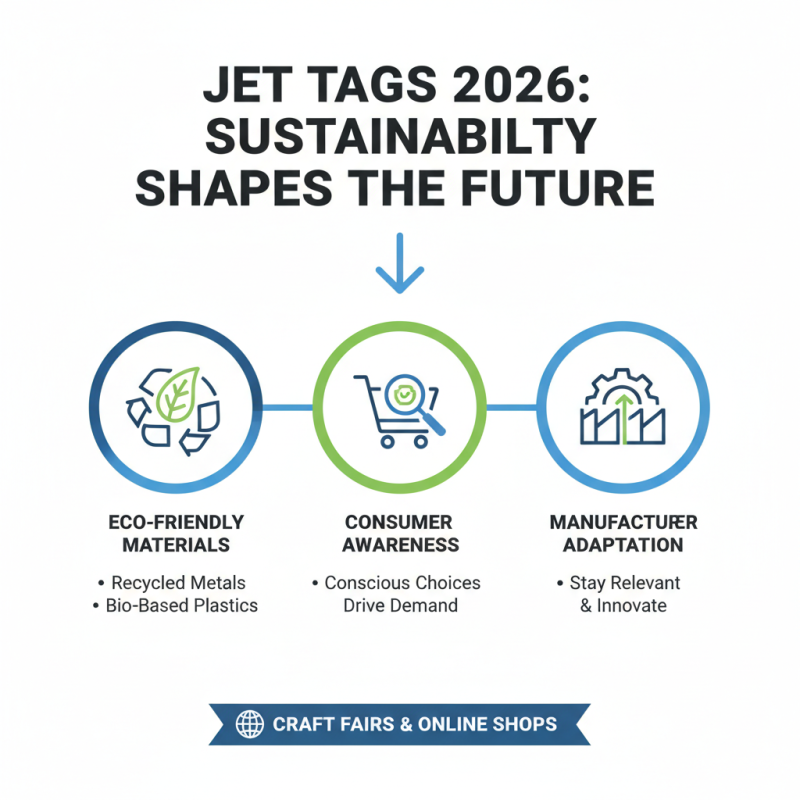
As we look towards 2026, sustainability will significantly shape jet tag production. Eco-friendly materials are expected to become the norm. Consumers are increasingly aware of their choices. Materials like recycled metals and bio-based plastics will catch eyes at craft fairs and online shops. Manufacturers will need to adapt to this trend to stay relevant.
In addition to materials, production processes will evolve. Brands may explore 3D printing and eco-conscious techniques. These methods can reduce waste and energy consumption. Yet, the challenge remains in balancing cost and sustainability. Not every producer is ready to commit fully to green practices. Some will likely maintain traditional methods for profit margins.
Design will also reflect sustainability. Expect to see colorful, minimalist designs that highlight natural elements. Designers may incorporate earthy tones and organic shapes. Such creativity can attract environmentally conscious buyers. However, it raises questions about whether style or sustainability should take precedence. The path forward will require thoughtful consideration as trends emerge.