Get Instant Quote
Leave Your Message

10 Neck Lanyard Strap Buying Tips for Bulk Buyers

Buying neck lanyards in bulk is not just a price comparison. The right Neck Lanyard Strap must feel comfortable through a full shift, hold its intended badge or device securely, and arrive consistently across the order. A sample can look excellent on a desk yet feel rough after hours against the neck. Small details matter: strap width, edge finishing, stitching, attachment strength, print clarity, and color matching. So does the supplier’s ability to explain materials and production tolerances clearly.

For this introduction, the quote below is an editorially created line from fictional sourcing specialist Daniel Reed, not a verified statement from a real person: “A dependable strap should disappear during the workday, but never disappear from quality control.” That sounds simple. It isn’t. Bulk buyers should compare samples, confirm dimensions in writing, and ask how defects are handled before approving a large run. They should also consider the wearer: a lightweight strap may suit a short event, while daily use can call for softer material and smoother edges. Specifications help, but they cannot replace hands-on checks. A sample may not reveal every production variation, either. That is worth remembering. The buying tips ahead examine practical checks for materials, comfort, customization, attachment options, supplier communication, and delivery planning, so purchasing decisions rest on more than a low unit price.
10 Neck Lanyard Strap Buying Tips for Bulk Buyers

Understanding Neck Lanyard Strap Types and Common Uses

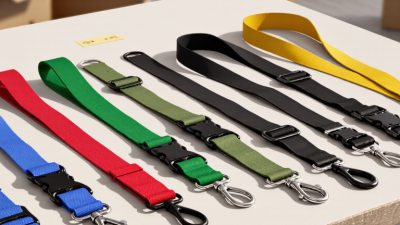
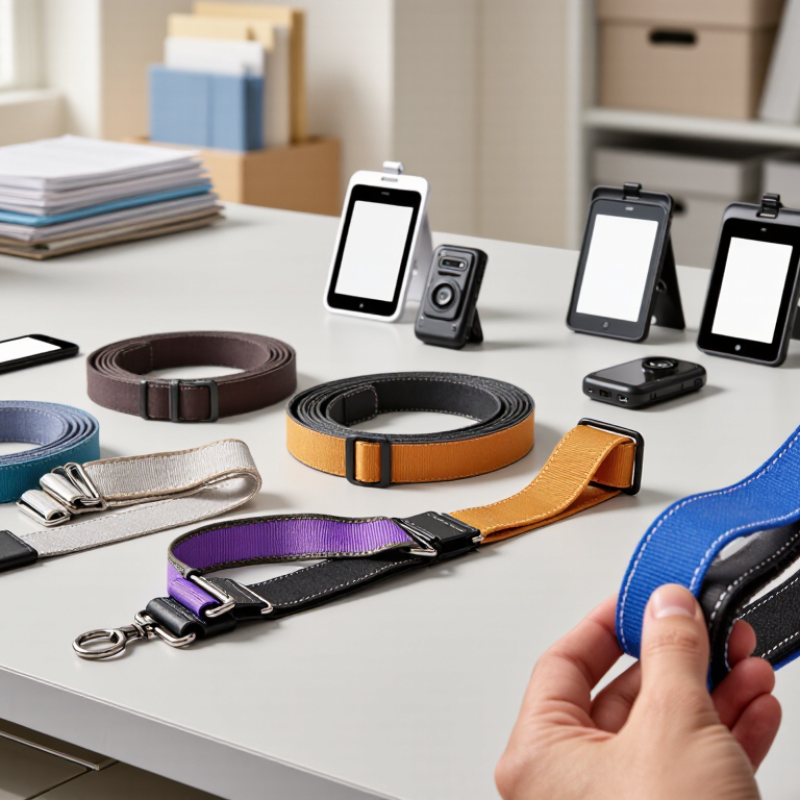
Neck lanyards come in several practical forms. Flat polyester straps suit trade shows and conferences because printed names or logos stay visible across the chest. Woven styles feel textured and hold up well through repeated handling. Tubular cord is lighter, though it may twist and hide printed details. Choose the style around the job, not just the unit price. A badge holder, key ring, or phone tab changes what the strap must carry.

Common uses include event passes, school ID cards, visitor badges, and staff keys in clinics or warehouses. For frequent badge scanning, a detachable buckle or retractable reel can save time. In crowded spaces, consider a breakaway connector and test how it releases before ordering thousands. Small details matter. A clip can snag; a narrow strap may feel uncomfortable after a full shift. ASI’s 2023 Ad Impressions Study estimated that promotional products generate an average of 3,400 lifetime impressions. That figure covers promotional products broadly, not lanyards alone, so treat it as context rather than a guaranteed result. For bulk orders, request a sample with the actual badge and hardware. Check print legibility, edge comfort, and attachment strength. The sample may reveal what a specification sheet misses.
10 Neck Lanyard Strap Buying Tips for Bulk Buyers — Understanding Neck Lanyard Strap Types and Common Uses

Commonly offered strap widths include 10, 15, 20, and 25 mm. Narrower straps suit lightweight badges, while wider straps are often chosen for everyday ID cards or heavier accessories. These are typical options, not a universal standard; confirm dimensions and use requirements with your supplier.

Choosing Materials, Widths, Lengths, and Attachment Options

For bulk orders, match the strap material to daily use. Polyester is durable and dries quickly; woven cotton feels softer but may show wear sooner. Textile Exchange’s Materials Market Report 2024 estimates global fiber production reached 124 million tonnes in 2023, with polyester accounting for about 57 percent. This indicates broad supply, not automatic quality. Ask for fabric composition and colorfastness test results. Small details matter. A sample run can reveal rough edges or stiff printing before thousands arrive.

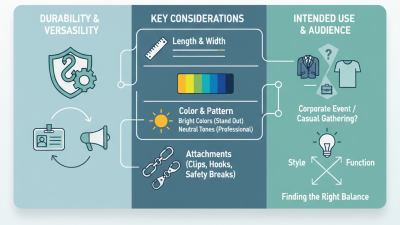
Choose width and length by wearing comfort, not appearance alone. A 20–25 mm strap spreads pressure more comfortably than a narrow strip during long events, though heavier badges may still pull. Specify finished length and drop separately; suppliers can interpret “standard length” differently. Test the strap with the actual badge, clothing, and expected wear time. We have seen teams approve a flat sample, then find the assembled badge sits too low. That mistake is avoidable, but easy to make.

Select attachments for the item being carried. Swivel hooks suit badge holders; split rings work for keys; phone tabs need a compatible case. A breakaway clasp may be appropriate where snagging is a concern, but it is not a substitute for task-specific safety controls. Check attachment strength, finish, and ease of replacement in a loaded sample. Keep one approved reference sample for production checks.

10 Neck Lanyard Strap Buying Tips for Bulk Buyers — Choosing Materials, Widths, Lengths, and Attachment Options
Tip Buying factor Common options or specifications Bulk-buyer guidance Key consideration
1 Strap material Polyester, nylon, cotton, or recycled polyester (rPET) Choose polyester for a practical balance of cost, print compatibility, and everyday use. Consider nylon when a smoother finish or stronger-feeling webbing is preferred. Material feel, print result, durability, and price can vary by construction and supplier. Request a sample made with the intended material.
2 Material and sustainability claims Conventional polyester or nylon; cotton; recycled-content polyester If recycled content is important, request documentation stating the recycled percentage and the basis for the claim. Do not assume that a “recycled” description means the entire strap is recycled material; confirm what components the claim covers.
3 Strap width Common choices include 10 mm, 15 mm, 20 mm, and 25 mm Use narrower widths for lightweight badges and compact designs. Wider straps provide more room for repeated text or a larger printed area. Check that the width suits the selected clip and any printed artwork; wider straps may feel more noticeable around the neck.
4 Strap length Many adult styles are approximately 36–40 in (91–102 cm) laid flat, but specifications vary State the desired finished measurement and ask whether the supplier measures the strap laid flat, end to end, or by wearable drop. A laid-flat length is not the same as the distance the strap hangs when worn. Confirm measurements with a drawing or sample.
5 Attachment type Swivel hook, lobster-style clasp, bulldog clip, split ring, or plastic J-hook Match the attachment to the item: a hook for many badge holders, a ring for keys, or a clip for items with a suitable edge or loop. Check opening size, compatibility, finish, and load needs. Hardware names and dimensions can differ between suppliers.
6 Breakaway safety feature Breakaway connector positioned at the back of the neck Consider a breakaway feature for settings where a lanyard could snag, and confirm that the connector is included in the finished design. Breakaway connectors are designed to release under specified conditions; they are not a substitute for a risk assessment or applicable safety requirements.
7 Printing method Screen printing, heat transfer, or dye sublimation, depending on material and artwork Share the artwork, number of print colors, repeat length, and whether both sides need printing before requesting a quote. Ask for a production sample or proof. Fine details, color matching, and print coverage depend on the method and strap construction.
8 Hardware finish and construction Metal or plastic fittings; stitched, crimped, or molded connections Specify the intended use and request the same attachment and connection style for samples and the production order. Confirm how the strap joins the hardware and inspect the finished sample for loose stitching, sharp edges, or poorly secured fittings.
9 Order quantity and quality control Production quantities, pre-production samples, and agreed inspection criteria Ask for quantity-based pricing and define acceptable limits for dimensions, color, printing, and hardware before placing a bulk order. Keep an approved sample and written specifications as references for checking the delivered batch.
10 Packing and delivery planning Bulk cartons, individual bags, or sets packed with badge holders or accessories Confirm packing format, carton quantity, estimated production time, shipping method, and delivery destination early in the buying process. Packaging and shipping can affect landed cost and delivery schedules; request a written quote that identifies what is included.

Checking Safety Features, Comfort, and Required Certifications

For bulk orders, inspect the lanyard’s safety features on a physical sample, not just a product sheet. A breakaway clasp can reduce entanglement risk, but its performance depends on the design and intended use. Check that it releases under appropriate pressure and reconnects securely. Test the clip, stitching, and seams with repeated pulls. Small defects matter across thousands of units. I would not treat one sample as proof of consistent production; request checks from more than one production batch.

Comfort also affects whether staff keep wearing a lanyard. Feel the strap against the neck and look for rough edges, stiff seams, or heavy attachments. A wider strap may spread weight, while a soft, lightweight material can feel better during a long shift. Ask for material details and relevant test reports, especially if the strap contacts skin. Certifications depend on the product’s use and destination market, so verify which standards actually apply. Request current certificates and confirm they cover the exact material and product design being ordered. A certificate with a similar product name may not be enough. Check the dates, testing scope, and batch traceability, then keep copies with the purchase records.

Planning Customization, Branding, and Packaging for Bulk Orders

Bulk neck lanyards need more than a logo and a color choice. Confirm strap width, attachment type, print area, and breakaway fitting before approving production. A 15-millimeter strap may feel different from a wider one during a full-day event. Ask for a physical sample, especially when matching a precise color or checking how small text prints. Small details matter. ASI’s 2019 Ad Impressions Study found that 85% of consumers remembered the advertiser on a promotional product. That figure covers promotional products broadly, not lanyards alone, but it supports making branding legible and useful.

For customization, send artwork in vector format and request a digital proof showing the design on the actual strap. Check both sides, logo spacing, and text at real size; tiny lettering can disappear on woven or printed material. Packaging deserves the same care. Individual bags can protect straps from tangling, while grouped cartons may reduce handling and waste. Specify carton counts, labels, and delivery batches in writing, then confirm them against a packed sample. The awkward trade-off: extra packaging improves sorting, but can add cost and material. Compare options with your supplier before placing the full order. Bulk production leaves less room for easy corrections.

Comparing Suppliers, Samples, Pricing, and Quality Control

Comparing suppliers starts with a clear specification, not a headline price. State the strap width, material, attachment style, print method, and order quantity. Ask each supplier to quote the same configuration, including setup fees, packaging, and shipping. A low unit price can hide extra costs or thinner webbing. Check response times, production capacity, and how defects are handled. Small details matter.

Request a sample made with the intended materials and decoration. A stock sample may look close but still differ from the bulk run. Test it with the items people will actually carry. Pull the strap gently, inspect the stitching, and check whether printed edges feel rough. Keep one approved sample as a reference during production. Color can shift between screens and fabric; that risk is easy to underestimate.

Before placing a large order, agree on measurable quality checks, such as strap length, print alignment, and acceptable stitching. Ask how many units will be inspected and what happens if a batch falls outside those limits. Photos help, but they cannot show every loose thread. Not always. If possible, inspect a small production batch before the full run. Leave time for corrections, even when the sample looks right. Bulk schedules can be tight, and rushing approval is a mistake worth avoiding.