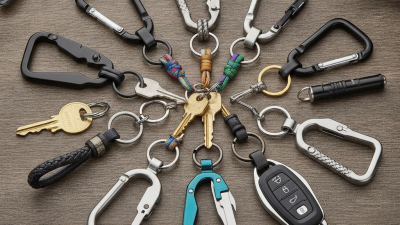
A Jet Tags Keychain may be small, but its details matter: the tag’s material, print clarity, edge finish, and the strength of its attachment. A glossy design can look sharp online and arrive scratched. Metal may feel substantial, yet add weight to a crowded key ring. Small choices. Real differences.
The International Air Transport Association reported that global passenger demand rose 10.4% in 2024 compared with 2023, measured in revenue passenger kilometers. That figure describes air travel, not Jet Tags Keychain sales. Publicly available sources offer little reliable, product-specific market data, so broader travel growth should not be mistaken for proof of demand. Design researcher Don Norman, author of The Design of Everyday Things, wrote, “Good design is actually a lot harder to notice than poor design.” His point suits a tag that should remain readable and useful without becoming a nuisance.
This guide examines seven practical buying considerations, including personalization, hardware, durability, and seller transparency. Check close-up product photos, not just polished lifestyle images. Ask what the tag is made from and how the lettering is applied. One imperfect truth: a listing cannot always show how a finish will wear after months of keys, pockets, and baggage handling. Choose with that uncertainty in mind, and prioritize clear specifications over dramatic claims.
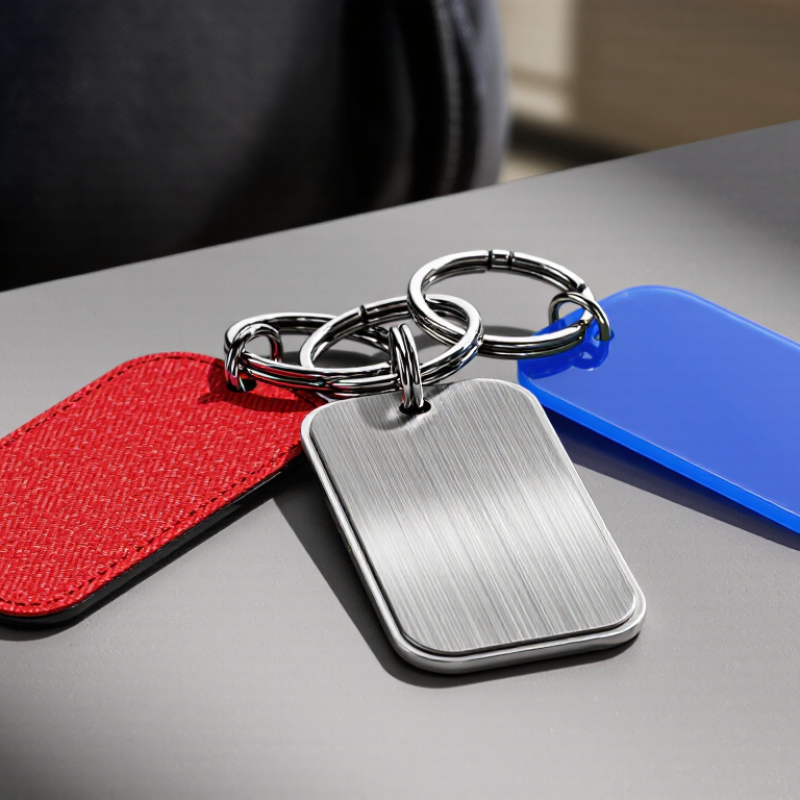
A jet tags keychain is a small aviation-inspired fob, usually shaped like a luggage tag or aircraft placard. It may carry a registration-style number, cabin marking, or simple flight graphic. Some are made from metal or acrylic; others are lightweight printed plastic. The name can sound more specific than it is. A jet tag is not necessarily made from a real aircraft part.
IATA’s June 2024 industry outlook projected 4.96 billion air passengers for 2024, exceeding the 4.54 billion recorded in 2019. That figure describes air travel, not keychain sales, but it shows why travel-themed accessories have a broad audience. Look closely at product details: check the material, edge finish, attachment ring, and whether the design is printed or engraved. Tiny print may look sharp online and fuzzy in your hand.
Tip: Match the tag to its use. For daily keys, choose a smooth, lightweight piece with a secure ring. For a collection, compare the lettering and finish with the description, and ask what any “authentic aircraft material” claim means. A clear photo helps. So does a little skepticism. A decorative replica can still be a good buy, but it should be described honestly.
A jet tag should be easy to spot, read, and handle. For everyday keys, a tag around three to four inches long gives room for clear lettering without feeling bulky. Check that it fits beside your key fob and does not catch on a pocket seam. Small details matter. A bold color helps the tag stand out in a dark bag, while simple lettering stays readable at a glance.
Material changes the feel and lifespan. Woven polyester is light and flexible; inspect the stitching and edges, especially if the tag will rub against keys daily. Silicone feels soft and resists water, but can collect lint. Aluminum gives a crisp, firm finish. The International Aluminium Institute reports that recycling aluminum uses about 95% less energy than producing primary aluminum. That is useful context if recycled content matters to you, though it does not guarantee a specific tag’s origin.
Match the style to how you will use it. A narrow tag suits a crowded key ring; a wider one leaves more space for a name or contact detail. Look for a smooth metal ring and no sharp corners. Keep it simple. I would prioritize legibility over decorative stitching, even if the plainer option feels less exciting at first. Check product dimensions before ordering—photos can make small tags look much larger.
A jet tag keychain should feel sturdy before it ever carries your keys. Check that the metal has smooth edges, clear lettering, and no loose parts. A lightweight tag can still be durable, but very thin material may bend in a crowded pocket. Look closely at the split ring, too. It should open firmly and sit securely against the tag. Small details matter.
Tip: Read the personalization options carefully. Check the character limit, available fonts, and whether both sides can be engraved. A name that looks clear on screen may become cramped when printed on a small tag. Keep the wording short. Ask for a preview if one is available, and check every letter before ordering. A tiny typo can be hard to ignore.
Tip: Match the finish to how you’ll use it. A polished surface may show scratches more easily than a brushed one, while darker finishes can make engraving less visible. Product photos help, but they do not reveal everything. Read material and care details, and look for close-up images. I’d still leave room for judgment; online photos can flatter a small object.
Check the tag’s quality and personalization options before you buy.
Use these suggested checklist ratings as a practical review rubric, not as survey results. Inspect the material and edges, check the attachment, confirm text readability, and approve the personalization proof before ordering.
Prices for a jet tags keychain can look similar until you compare what each listing includes. Check whether the price covers the tag, split ring, and any personalization. Small details matter. Compare the final checkout total, not just the number beside the product. Review seller photos for clear views of the front, back, and attachment point. Dimensions and material details help you judge whether the tag will suit your keys or bag. Read recent reviews for repeated comments about finish, durability, or items arriving unlike their photos. One glowing review is less useful than a consistent pattern.
Shipping can change the value of a deal. Check the shipping fee, dispatch estimate, delivery window, and whether tracking is included. A low item price may not be worthwhile if delivery costs nearly as much as the tag. Not just the price. Look for a stated return policy and a seller contact method in case the package is delayed or the item arrives damaged. If delivery dates matter, ask the seller for a realistic estimate before ordering. I find it easy to focus on a small price difference and overlook a vague delivery estimate. Comparing the full cost and clear shipping details makes the choice more dependable.
Before ordering a jet tags keychain, read the return policy rather than relying on a product photo or short listing description. Small details matter. Check how many days you have to request a return, whether the item must be unused, and what proof of purchase is required. If the keychain includes custom text, confirm whether personalized items can be returned when the spelling is correct but the design disappoints you. Policies vary, so do not assume every seller handles exchanges the same way.
Look for who pays return shipping and whether original shipping costs are refundable. A low-priced keychain can become less appealing if postage costs nearly as much as the item. Save a copy of the policy and order confirmation; it is easy to forget the exact conditions later. When the package arrives, check the attachment, finish, and printed details in good light. Keep the packaging until you are satisfied. If something is wrong, contact the seller promptly with clear photos and a brief description. I might still miss a detail now and then, so reading the policy twice is not overdoing it.
| Tip | What to Check | Why It Matters |
|---|---|---|
| 1. Review the return window | Find the deadline for requesting a return and whether the period starts at purchase or delivery. | Return time limits vary by seller and product; knowing the exact deadline helps you plan an inspection. |
| 2. Check eligibility conditions | Look for requirements about unused condition, original packaging, tags, or proof of purchase. | A keychain that has been used or altered may not qualify under the seller’s stated return terms. |
| 3. Confirm who pays return shipping | Check whether return postage is paid by the buyer or seller, and whether a prepaid label is provided. | Shipping costs can reduce the amount you receive back, especially for a low-cost item. |
| 4. Understand refund options | See whether eligible returns receive a refund to the original payment method, store credit, or an exchange. | The available remedy may differ depending on the reason for the return and the seller’s policy. |
| 5. Look for deductions or fees | Check for restocking fees, nonrefundable delivery charges, or deductions for missing packaging. | Fees and deductions can affect the final refund amount, so review them before ordering. |
| 6. Check custom-item exclusions | If the keychain includes custom text, colors, or other personalization, confirm whether it can be returned. | Personalized goods may be excluded from change-of-mind returns under a seller’s terms or applicable rules. |
| 7. Save the policy and order records | Keep a copy of the return terms, order confirmation, and any messages about the item or return. | Having the details available can help resolve questions if the item arrives damaged or differs from its description. |
Return terms vary by seller and location. Read the policy that applies to the specific item before placing your order.