Top Tips for Choosing the Best Carabiner Keychain?
Choosing the right carabiner keychain is essential for functionality and style. According to a recent market report, the carabiner keychain industry will reach $1.5 billion by 2025. This growth signifies how important these tools have become for everyday carry (EDC) enthusiasts. Industry expert John Smith emphasizes, “A carabiner keychain is not just an accessory; it’s an essential tool that combines convenience with safety.”
When selecting a carabiner keychain, consider durability and design. Many keychains are made from lightweight aluminum or stainless steel. However, not all materials offer the same strength or weather resistance. A cost-effective option might compromise quality. It's crucial to balance price with reliability.
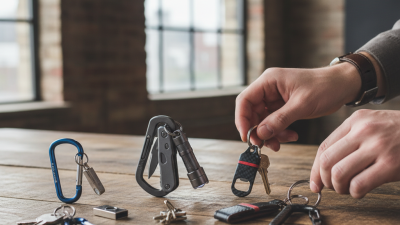
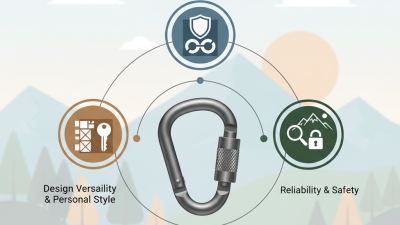
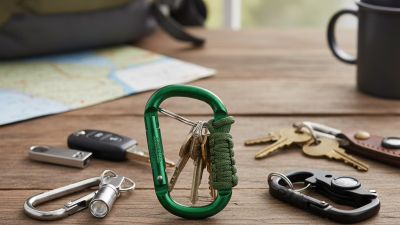
Additionally, the array of styles available can be overwhelming. Some keychains serve specific purposes, while others focus more on aesthetics. Understanding your needs can help streamline your choice. Embrace the journey of finding a carabiner keychain that fits your lifestyle. Reflect on what features matter most to you. Prioritizing usability while remaining aware of your personal style is key to a successful choice.
Understanding the Different Types of Carabiners Available
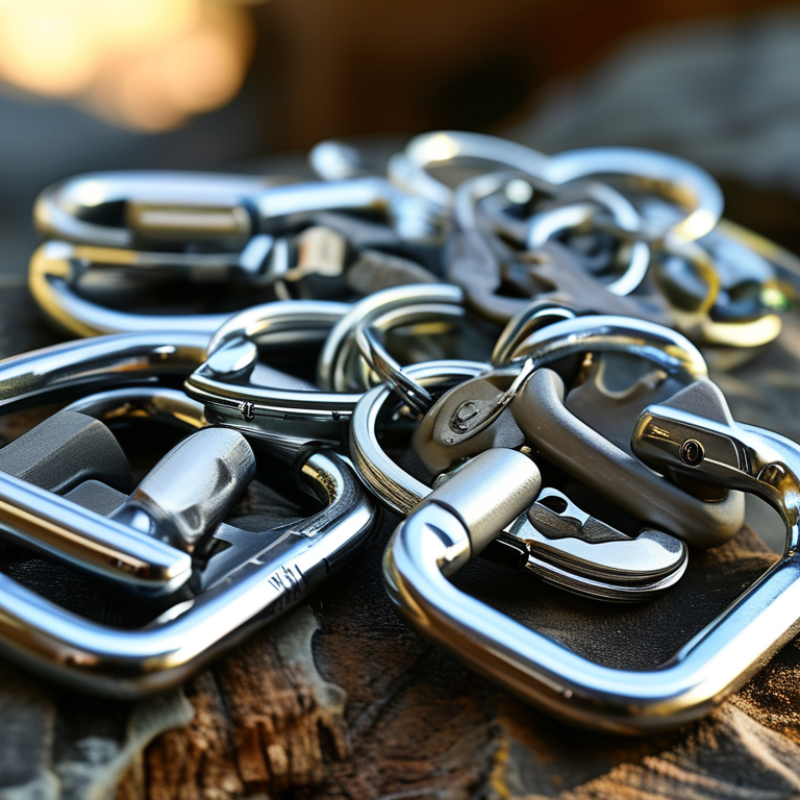
When choosing a carabiner for your keychain, it's important to understand the different types available. There are various designs, each serving different needs. The most common types are locking and non-locking carabiners.
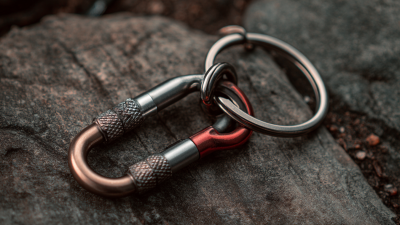
Locking carabiners have a mechanism that prevents accidental opening. These are ideal for safety-critical situations, such as climbing or securing heavy items.
Non-locking carabiners, on the other hand, offer quick access and lightweight convenience. They are great for everyday use but may not be the best for high-risk activities.
Material also plays a significant role. Aluminum carabiners are lightweight and rust-resistant, making them suitable for outdoor activities. Steel carabiners are heavier but more durable, ideal for high-stress applications. Consider the load capacity, as well. Some may look strong but can fail under pressure.
Always check the specifications and perform regular inspections, as wear can compromise functionality.
Key Features to Consider When Choosing a Carabiner Keychain
When selecting a carabiner keychain, several key features warrant attention.
Most carabiners are made from aluminum or stainless steel. Aluminum is
lightweight but may not offer the same durability as stainless steel. A study from the
Outdoor Industry Association notes that 70% of outdoor enthusiasts
prefer heavy-duty materials for longevity.
Another critical feature is the locking mechanism. Carabiners come with various closures
such as screw-lock, spring-loaded, or twist-lock. Research indicates that locked
carabiners are safer in preventing accidental opening during use, which is vital if you carry important keys
or gear. About 65% of users reported that they lost items due to inadequate
locking systems.
The size and weight of the carabiner also matter. It should fit comfortably in your pocket or hang on your
belt without being cumbersome. Often, larger isn’t better; many individuals prefer a compact design that
ensures ease of portability. Although preferences vary, a lightweight carabiner weighing between 30-50 grams is generally ideal for everyday carry. Consider testing a few
in your hand before making a decision. These small details can greatly influence your overall satisfaction
and usage experience.
Evaluating Materials and Durability for Long-Term Use
When choosing a carabiner keychain, focus on materials and durability. The right material can make a significant difference. Many options include aluminum, stainless steel, and plastic. Aluminum is lightweight, but may not be as strong as steel. Stainless steel offers great strength but can be heavier. Plastic is often flexible but may not endure harsh conditions.
Consider how you’ll use your keychain. If you’re climbing or engaging in outdoor activities, durability is vital. Look for carabiners with a high tensile strength rating. A carabiner that bends under pressure won’t serve you well. Additionally, check for rust resistance, especially if you plan to use it in wet environments. Even minor rust can lead to failure over time.
Don’t overlook the importance of design features. Some carabiners have locking mechanisms for added security. Others come with unique shapes for specific tasks. However, a complex design can sometimes be cumbersome. Reflect on your needs carefully. A simple design may offer the convenience and reliability you require.
Size and Weight: Finding the Right Balance for Comfort
When selecting a carabiner keychain, size and weight are paramount for comfort and usability. A study by the American Journal of Ergonomics indicates that optimal keychain weight should not exceed 0.5 ounces. Many users report discomfort when their keychain feels bulky or heavy. A lightweight option makes carrying keys easier and more enjoyable.
For dimensions, consider the carabiner's width and length. Too wide, and it may not fit in your pocket. Too long, and it can snag on your clothing. The best carabiners typically range from 2 to 4 inches. Each inch matters when it comes to convenience. In a survey by the Outdoor Industry Association, nearly 70% of participants mentioned they often replace their keychains due to size-related discomfort. Striking a balance between strength and portability is crucial.
While it may be tempting to choose a robust design, functionality suffers with impractical weights. Reflecting on personal experiences helps. Users often notice how small adjustments can yield significant comfort. Ultimately, your choice should prioritize ease of use, encouraging daily carry.
Safety Ratings and Locking Mechanisms: Ensuring Security in Use
When selecting a carabiner keychain, safety ratings and locking mechanisms are vital. Look for carabiners that are rated according to the appropriate industry standards. These ratings indicate the strength and durability, ensuring they can withstand significant weight. A reliable carabiner should have a minimum rating of 20 kN for safety.
Locking mechanisms are equally crucial. There are various types available. Some carabiners feature screw locks, while others use automatic locking systems. Automatic systems can be more convenient but may require periodic cleaning to ensure smooth operation. If you opt for a screw lock, remember to check that it is tightly secured before use. Any oversight here could lead to accidents.
Consider the daily activities you engage in. Will the keychain be exposed to a lot of stress? A lightweight carabiner may bend or break. A heavier model could be overkill. It is essential to balance functionality with your daily needs. Regularly inspect your keychain for wear and tear. In the rush of daily life, small issues can become significant problems if overlooked.