Get Instant Quote
Leave Your Message

10 Best Promotional Lanyards for Businesses

A lanyard can do more than hold an employee badge. At a busy trade show, it keeps credentials visible while staff greet visitors, scan tickets, and carry sample bags. The right choice can also make a brand feel considered; a scratchy strap or weak clip sends a different message. Small details matter.

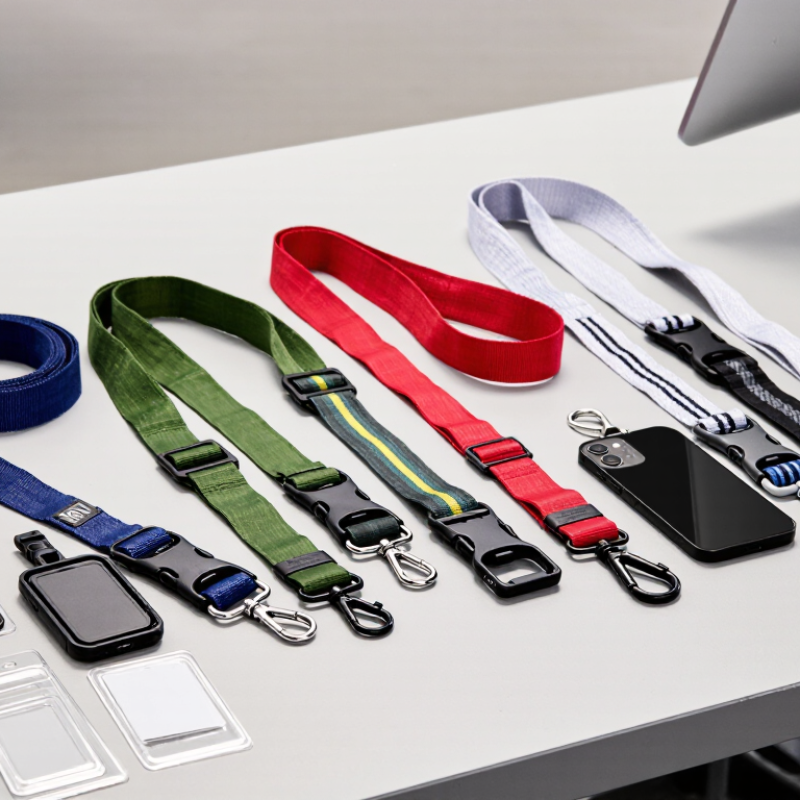
This guide explores 10 Promotional Lanyard options for businesses, from simple polyester styles to woven, recycled-material, and custom-printed designs. Each suits a different setting and budget. A lightweight flat strap may work well for daily office access, while a wider woven style gives a logo more texture. Breakaway connectors, detachable buckles, and badge or phone attachments can add convenience, but they should match the actual task. More features are not automatically better. Fit comes first.

When comparing options, look at material, width, print method, attachment strength, and minimum order quantity. Ask for a sample when color accuracy or fabric feel matters; screen images can be misleading. Also check that the selected clip fits the badge sleeve or device staff already use. For event teams, ordering a few extras helps cover late registrations and replacements. That extra step can prevent a box of awkward, unused lanyards. The “best” pick is rarely universal. A little trial and honest feedback from the people wearing them can improve the final choice. Some teams may still prefer a plain design. That is useful to know.
10 Best Promotional Lanyards for Businesses

What Promotional Lanyards Are and How Businesses Use Them

Promotional lanyards are fabric or woven straps worn around the neck or wrist, usually with an attachment for an ID badge, key, or small tool. Businesses print a name, message, or simple design on them. They are practical, visible, and easy to distribute. Not magic, though.

At conferences, staff can use lanyards to distinguish exhibitors from attendees, while guests keep their access cards close at hand. A colored strap can help a team spot its own workers in a busy venue. In offices, lanyards may carry visitor badges or keys. Schools, clinics, and event teams also use them, provided the attached item suits the setting. A badge that swings into a coffee cup is a small but real annoyance.

For promotion, usefulness matters more than a crowded print. A logo and short contact detail are often easier to read than several lines of copy, especially on a narrow strap. Choose a comfortable width, durable stitching, and a clip that matches the item’s weight. Ask for a sample when possible; colors and fabric can look different on screen. There is a trade-off: lanyards offer repeated visibility, but recipients may not keep them. The best design feels useful enough to wear, not merely branded enough to hand out. Count the audience and setting before ordering, since leftover stock is easy to underestimate.

Key Factors to Consider When Choosing Promotional Lanyards

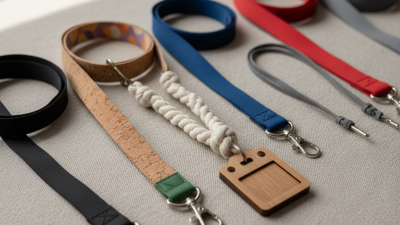
Choosing a promotional lanyard starts with the people who will wear it. Staff at a trade show may need a different style from volunteers moving around all day. Consider fabric, width, and weight. A soft polyester strap can suit short events, while woven material may feel sturdier for frequent use. Comfort matters. If a lanyard twists or rubs against the neck, people may tuck it away, hiding your message. Keep the printed design readable from a few steps away. A short name or website usually works better than crowded text. There is no perfect layout, and a neat proof can still look busy on a narrow strap.

Check the attachment and finish, too. A metal clip feels substantial, but it may add weight; plastic fittings are lighter and often practical for everyday badges. For active workplaces, consider a breakaway connector that releases under pressure. Ask for a sample before ordering a large quantity. Feel the edge, test the clasp, and check whether the print remains clear when the strap bends. Small details matter. Also confirm delivery timing, minimum order quantities, and whether colors can be matched consistently across repeat orders. Budget is important, but the cheapest option can disappoint if the stitching frays after a few uses. That trade-off is easy to overlook.

10 Best Promotional Lanyards for Businesses — Key Factors to Consider When Choosing Promotional Lanyards
No. Lanyard Type Typical Material and Width Common Decoration Best For Key Advantages Key Considerations
1 Standard Flat Polyester Woven polyester; commonly 10–25 mm (3/8–1 in) wide Screen printing or heat transfer Conferences, staff identification, and general promotional giveaways Versatile, widely available, and suitable for simple text and logos Choose a width that keeps the design readable; detailed artwork may need a different print method.
2 Full-Color Dye-Sublimated Usually polyester; commonly 10–25 mm wide Dye sublimation, often printed across the fabric Colorful artwork, gradients, and designs with multiple colors Supports detailed, full-color graphics and can print on both sides Artwork may be less crisp on very narrow straps; confirm how the design aligns at seams and folds.
3 Recycled PET Polyester yarn made from recycled plastic; commonly 10–25 mm wide Screen printing, heat transfer, or dye sublimation Organizations seeking recycled-content merchandise Offers a familiar polyester feel while using recycled feedstock Check the supplier’s documentation for recycled-content claims and confirm the available colors and finishes.
4 Woven Lanyard Woven polyester or similar textile; often 10–25 mm wide Design woven directly into the strap Simple text, repeating patterns, and designs intended for frequent use Decoration is integrated into the fabric rather than applied as a surface print Fine details and gradients are less suitable; check the minimum line thickness and color limits.
5 Tubular Lanyard Tubular polyester, often cord-like and approximately 6–10 mm wide Screen printing or transfer printing on the outer surface Casual events and budget-conscious giveaways Soft, rounded construction offers a different feel from a flat strap The rounded shape provides less printable area and may not suit detailed artwork.
6 Nylon Lanyard Smooth nylon webbing; commonly 10–25 mm wide Screen printing or heat transfer Use cases where a smooth finish and vivid printed colors are priorities Smooth surface can produce a clean appearance for printed designs Compare feel, sheen, and print durability with the intended use; specifications vary by construction.
7 Satin Lanyard Satin-finished polyester; commonly 10–20 mm wide Screen printing or transfer printing Guest passes, ceremonies, and events that call for a dressier appearance Smooth, slightly lustrous surface gives the strap a polished look Surface sheen can affect how colors appear; request a sample when color matching is important.
8 Cotton Lanyard Cotton webbing or cord; width varies by style Screen printing, embroidery, or woven decoration Brands and events that prefer a natural-fiber texture Distinctive soft, textile feel and a less synthetic appearance Confirm shrinkage, color consistency, and care requirements; cotton is not automatically organic.
9 Breakaway Safety Lanyard Typically polyester or nylon webbing with a breakaway connector Screen printing or heat transfer Workplaces, schools, and settings where a release feature is appropriate Breakaway connector is designed to release under pressure It is not a substitute for a certified safety device; check connector placement, function, and applicable workplace requirements.
10 Detachable-Buckle Lanyard Typically polyester or nylon webbing; commonly 10–25 mm wide Screen printing, heat transfer, or dye sublimation People who need to remove keys, badges, or small accessories without taking off the neck strap Quick-release buckle separates the lower attachment section Check buckle strength and attachment compatibility; a detachable buckle is different from a safety breakaway connector.

Ten Promotional Lanyard Styles for Different Business Needs

Ten Promotional Lanyard Styles for Different Business Needs

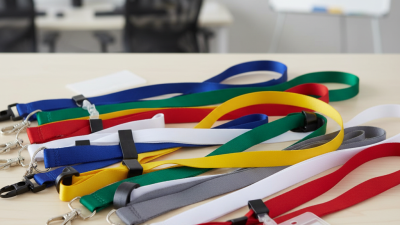
Businesses can choose lanyards based on how people will use them. A flat polyester style gives logos a broad, visible surface for trade shows. Woven lanyards feel textured and suit understated designs. Tubular styles are lightweight for daily staff wear. Satin offers a smoother finish for formal events. Recycled-material options can support sustainability goals, but check the material details before making claims. A detachable-buckle style helps users remove keys without taking off the whole lanyard. Safety breakaway styles release under pressure. Dual-clip versions help keep larger badges facing forward. Phone-holder lanyards suit event visitors who need quick access to a device. Retractable badge reels keep access cards close at hand.

The right choice depends on the setting, not just the artwork. A busy conference may call for durable straps and readable text. A small reception desk may need simple badge access instead. Consider print contrast, strap width, attachment type, and how often the lanyard will be worn. Small details matter. A design that looks polished on screen can feel bulky after a full day, so test a sample when possible.

Tips: Keep logos and text uncluttered. Match the attachment to the item, and ask suppliers about materials, printing, and care. If a feature sounds useful, check that it works for your actual users.

Comparing Lanyard Materials, Printing Methods, and Attachments

10 Best Promotional Lanyards for Businesses

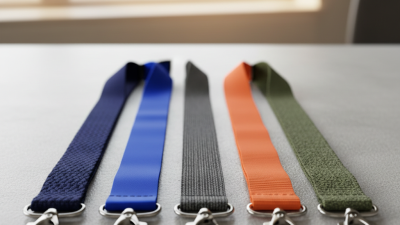
The right lanyard depends on where it will be used, not just how it looks. Polyester is lightweight, affordable, and suitable for everyday events. Nylon feels smoother and often has a slight sheen, while woven cotton offers a softer, more natural texture. Recycled PET can be a practical option, though its feel varies by supplier. Hold samples before ordering. Photos can hide rough edges.

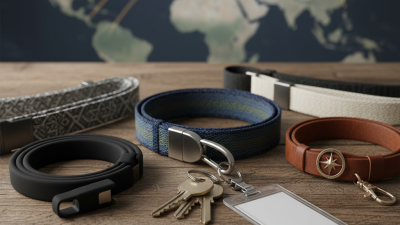
Printing affects both appearance and readability. Screen printing works well for bold logos and limited colors. Dye sublimation can reproduce detailed artwork across the fabric, but fine text may still be hard to read on a narrow strap. Woven designs resist surface wear, yet tiny details can blur. Attachments matter, too: swivel hooks suit badges, clips hold cards firmly, and a breakaway release can separate under pressure. Match the fitting to the item and daily use.

Tips: Check strap width, stitching, and attachment strength on a sample. Test the printed logo at arm’s length. A small detail is easy to miss: metal fittings may feel heavy during long shifts. That trade-off deserves a second look.

Promotional Lanyards: Materials, Printing & Attachments

A qualitative comparison of common material and printing combinations. Scores are indicative (1 = lower, 5 = higher), not laboratory measurements.

How to read it: Dye sublimation is well suited to detailed, full-color designs on polyester fabrics, while screen printing is a practical choice for simpler artwork. Attachments affect everyday function: a split ring suits keys, a swivel hook suits badges, and a safety breakaway is useful where the lanyard could snag. Check material and attachment compatibility before ordering.

Matching Lanyard Options to Your Budget and Brand Goals

A promotional lanyard works best when its material, finish, and price fit the job. For a busy conference, standard polyester is often a practical choice: it keeps costs manageable and gives plenty of space for a clear logo. Choose a width that feels comfortable over several hours, not just one that looks bold in a product photo. Small details matter. A swivel hook makes badges easier to turn, while a breakaway connector may suit workplaces where cords could catch on equipment.

For a smaller, premium-feeling gift, woven or finely printed lanyards can make a more polished impression, though added detail may raise the unit cost. Recycled-material options may support a sustainability message, but ask suppliers what the material contains and how it is documented. Keep it simple. Match the color to your brand palette, then check a physical sample under ordinary indoor lighting. Screens can make colors look brighter than they are. One imperfect choice is ordering the cheapest option before checking the clasp; a weak attachment can frustrate users even when the design looks right. Compare sample quality, setup charges, and delivery timing alongside the quoted price.