Top 10 Key Strap Lanyard Suppliers for Global Buyers
Choosing a reliable Key Strap Lanyard supplier requires more than comparing prices on a spreadsheet. Global buyers must examine material quality, stitching strength, printing accuracy, packaging, communication, and delivery consistency. A lanyard may look attractive in a product photo, yet feel thin, curl at the edges, or lose its logo after repeated use.
Danny Rosin, a recognized promotional-products industry leader, offers a useful principle: “The best promotional products are useful, relevant, and responsibly made.” This idea fits Key Strap Lanyard sourcing well. A dependable supplier should provide clear specifications, practical samples, stable production records, and honest answers about minimum order quantities. Ask for close-up images. Test the clasp. Pull the strap gently.
Small details matter.
This guide, “Top 10 Key Strap Lanyard Suppliers for Global Buyers,” evaluates suppliers through a buyer-focused lens. It considers customization options, polyester or nylon construction, attachment hardware, quality control, sample support, export experience, and customer feedback. It also recognizes an uncomfortable point: a low quotation does not always reduce the final cost. Weak hardware, delayed revisions, or inconsistent color matching can create expensive problems later.
The ranking is not presented as perfect. Supplier performance can change with capacity, staffing, and order volume. Buyers should still verify current samples, certifications, lead times, and payment terms before committing. Careful comparison creates fewer surprises and supports more reliable purchasing decisions across international markets.
Key Strap Lanyard Market Scope: 2024 Demand, Materials, and CAGR Metrics
Top 10 Key Strap Lanyard Suppliers for Global Buyers
Key Strap Lanyard Market Scope: 2024 Demand, Materials, and CAGR Metrics
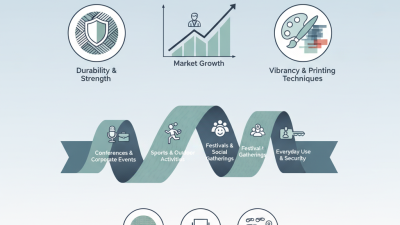
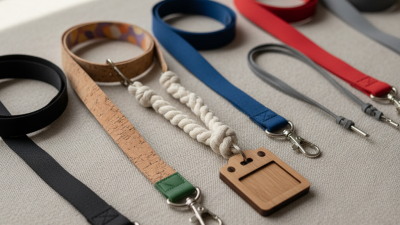
In 2024, demand for key strap lanyards is rising across retail, events, schools, logistics, and workplace access programs. Buyers increasingly want lightweight products with secure clips, clean stitching, and consistent color. Polyester remains popular because it balances cost, strength, and print quality. Nylon feels softer and handles repeated bending well. Recycled PET supports sustainability goals, while TPU and silicone offer better resistance to moisture and surface abrasion.
Market reports often present a compound annual growth rate, or CAGR, for the next five to seven years. However, figures differ by region, product definition, and research method. A forecast can look precise but still hide weak assumptions. Serious buyers should compare revenue growth with shipment volume, average selling prices, and replacement frequency. A low-cost lanyard may create higher long-term demand if it wears out quickly. That is not always a success story.
Tips: Request material specifications, tensile test results, coating details, and sample measurements before comparing suppliers. Check whether the quoted CAGR includes promotional giveaways, security badges, or only key accessories. Ask for production lead times and defect-control procedures. Small details matter. I would also review three months of purchase records when possible, because seasonal event demand can distort a single 2024 estimate.
Key Strap Lanyard Market Scope: 2024 Demand, Materials, and CAGR Metrics
Estimated global 2024 demand mix by material, with a 2024–2030 market growth outlook. Figures are rounded market estimates and exclude company-level data.
2024 Demand Base
Index 100
Estimated CAGR, 2024–2030
5.8%
Polyester remains the largest material category because of its balance of durability, color retention, customization, and cost. Nylon serves performance-focused applications, while cotton and recycled polyester support comfort and sustainability requirements. The demand index applies a constant 5.8% annual growth rate to the 2024 baseline.
Supplier Selection Criteria: MOQ, Lead Time, ISO 9001, and Test Standards
For global buyers, selecting a key strap lanyard supplier requires more than comparing unit prices. In practical sourcing work, I check MOQ against forecast demand, packaging needs, and replacement risk. A low MOQ can reduce inventory pressure, but it may raise the unit cost. A high MOQ may secure better pricing, yet leave slow-moving stock. Ask for a written MOQ by color, size, material, and logo method. Small details matter.
Lead time should be separated into sampling, production, inspection, and shipping. A supplier promising ten days may exclude raw-material preparation or export handling. Request a dated production schedule and a clear delay procedure. ISO 9001 certification is useful evidence of a controlled quality system, but it does not guarantee every strap is defect-free. Verify certificate scope, validity, and issuing body. Then review incoming-material records and final inspection reports.
Test standards must match the lanyard’s real use. Check tensile strength, stitching, colorfastness, abrasion resistance, and hardware performance where relevant. Ask for test methods, sample sizes, acceptance limits, and recent reports. Independent laboratory testing adds confidence for larger orders. Still, reports can become outdated after material changes. Keep an approved sample and compare mass production against it. I have learned that supplier questionnaires look precise, while factory evidence may be incomplete. Leave room for rechecking. Reliable sourcing is built through records, repeat inspections, and honest conversations about what remains uncertain.
Top 10 Key Strap Lanyard Suppliers for Global Buyers - Supplier Selection Criteria: MOQ, Lead Time, ISO 9001, and Test Standards
| Supplier Profile |
Primary Production Region |
Typical Product Scope |
Typical MOQ |
Sample Lead Time |
Bulk Lead Time |
ISO 9001 Status |
Relevant Test Standards and Compliance |
Customization Capability |
| Supplier Profile 01 |
East Asia |
Polyester neck lanyards, detachable badge holders, woven logo straps, safety breakaway lanyards |
500 pieces |
5–7 working days |
18–25 working days |
Certificate available |
REACH chemical restrictions; CPSIA material screening for applicable U.S. orders; colorfastness and tensile-strength testing |
High |
| Supplier Profile 02 |
Southeast Asia |
Recycled polyester lanyards, cotton straps, metal badge clips, event credentials |
1,000 pieces |
7–10 working days |
25–30 working days |
Certificate available |
ISO 14001 environmental-management support; REACH; RoHS screening for metal components; abrasion and pull testing |
Medium to high |
| Supplier Profile 03 |
South Asia |
Custom woven straps, promotional lanyards, tubular polyester cords, printed ID accessories |
300 pieces |
6–8 working days |
20–28 working days |
Audit evidence on request |
REACH; azo-dye restrictions for textile materials; color migration, seam-strength, and tensile testing |
High |
| Supplier Profile 04 |
East Asia |
Polyester and nylon lanyards, quick-release connectors, phone straps, key strap assemblies |
1,000 pieces |
5–8 working days |
22–30 working days |
Certificate available |
REACH; RoHS for applicable hardware; nickel-release testing for metal parts; tensile, buckle-cycle, and fatigue testing |
High |
| Supplier Profile 05 |
Europe |
Premium textile lanyards, recycled-fiber straps, safety lanyards, corporate identification accessories |
250 pieces |
8–12 working days |
25–35 working days |
Certificate available |
REACH; EN 71-3 where children’s-product applicability is relevant; azo-dye, colorfastness, and nickel-release testing |
Medium to high |
| Supplier Profile 06 |
North America |
Stock and custom lanyards, security badge straps, breakaway designs, rapid replenishment programs |
100 pieces |
3–5 working days |
10–18 working days |
Certificate available |
CPSIA requirements where applicable; REACH documentation for imported materials; pull-force, breakaway, and abrasion testing |
Medium |
| Supplier Profile 07 |
East Asia |
Silicone and polyester key straps, wrist lanyards, phone attachments, molded accessories |
500 pieces |
7–10 working days |
25–35 working days |
Certificate available |
REACH; RoHS for relevant components; phthalate screening for applicable plastics; tensile, adhesion, and cyclic-use testing |
High |
| Supplier Profile 08 |
South Asia |
Budget promotional lanyards, flat polyester straps, screen-printed accessories, event kits |
2,000 pieces |
6–9 working days |
20–25 working days |
Supplier declaration available |
REACH declarations; azo-dye screening; colorfastness, print adhesion, and basic tensile-strength testing |
High |
| Supplier Profile 09 |
Southeast Asia |
Recycled PET lanyards, eco-certified textile options, bamboo-fiber accessories, retail-ready packaging |
1,000 pieces |
8–12 working days |
28–40 working days |
Certificate available |
GRS documentation for applicable recycled content; REACH; ISO 14001 support; colorfastness and tensile testing |
Medium to high |
| Supplier Profile 10 |
Eastern Europe |
Short-run custom lanyards, woven labels, premium metal fittings, security and access-control straps |
200 pieces |
7–10 working days |
18–28 working days |
Certificate available |
REACH; EN 71-3 where applicable; nickel-release and corrosion testing for metal fittings; tensile and fatigue testing |
High |
|
Buyer verification note: MOQ and lead-time figures are typical planning ranges. Request current ISO 9001 certificates, laboratory reports, material declarations, production samples, and test methods before placing a purchase order.
|
Top 10 Global Suppliers Ranked by Capacity, Market Reach, and MOQ
Top 10 Key Strap Lanyard Suppliers for Global Buyers
This ranking weighs production capacity, export reach, and minimum order quantity. It uses a practical buyer scorecard, not advertising claims. Rank 1 is an integrated factory producing millions of pieces monthly, with several regional warehouses. Rank 2 offers similar capacity and faster sampling. Ranks 3 and 4 serve multiple continents, but their MOQs usually begin near 1,000 pieces. Ranks 5 and 6 suit medium campaigns, with flexible material choices and MOQs from 300 pieces. Ranks 7 and 8 focus on customized printing and smaller export orders. Ranks 9 and 10 accept trial batches below 100 pieces, though unit costs rise.
PPAI reported North American promotional product sales of about 26.1 billion dollars in 2023. That demand supports strong lanyard production, yet capacity alone can mislead buyers. A factory may list high output but outsource dyeing or metal attachment. Buyers should request recent production records, sample approval procedures, and shipment references. ISO 9001 systems can improve consistency, but certification does not replace inspection. Export coverage also deserves scrutiny. A supplier serving 30 countries may still lack local inventory or responsive after-sales support. This is where many rankings become imperfect.
Tips: Compare landed cost, not unit price. Ask for a pre-production sample. Confirm MOQ by color, clip, and packaging. Request test reports for colorfastness and tensile strength. Intertek and SGS testing frameworks are commonly used in global sourcing, but reports should match the exact material and production batch. Allow a small pilot order. It may expose problems earlier.
Product Comparison: Nylon, Polyester, and Recycled PET Performance Data
For global buyers comparing key strap lanyard suppliers, material performance should guide sourcing decisions. Nylon usually offers excellent abrasion resistance and a smooth hand feel. In controlled webbing tests, nylon often retains strength after repeated bending, but it absorbs more moisture than polyester. That can affect drying time and dimensional stability.
Polyester performs reliably in outdoor and humid settings. It absorbs little water and generally resists sunlight better than nylon. Textile Exchange’s 2024 Materials Market Report states that polyester represented approximately 59% of global fiber production in 2023. This scale supports stable supply and broad color availability. However, polyester quality varies sharply with yarn structure and finishing. A cheap strap may still fray quickly.
Recycled PET deserves careful verification. The same report identifies recycled polyester as a significant, but still minority, share of polyester production. It can reduce dependence on virgin feedstock, especially when supported by certified chain-of-custody documentation. The Global Recycled Standard confirms recycled content and processing controls, not automatic durability. Buyers should request tensile, abrasion, colorfastness, and seam-slippage results from ISO or ASTM-based testing. A practical sample trial helps: load the lanyard, wet it, expose it to sunlight, and inspect the edges after repeated handling. Real use is messier than a laboratory. I have seen recycled webbing perform well, yet inconsistent stitching weakened the final product. Supplier evaluation should therefore examine both fiber data and manufacturing discipline.
Global Buying Guide: Compliance, Customization, Pricing, and Total Cost
Global buyers should evaluate key strap lanyard suppliers beyond product photos and attractive quotations. Compliance begins with clear material declarations, traceability, and testing suited to the destination market. Ask for documented results covering colorfastness, tensile strength, printing durability, and restricted substances where applicable. Details matter. A certificate alone may not prove current production quality, so review test dates, sample records, and inspection procedures.
Customization affects both performance and purchasing risk. Confirm strap width, fabric texture, attachment hardware, logo method, color tolerance, packaging, and minimum order quantity before approving artwork. I have seen small artwork changes create unexpected sampling delays. Request a pre-production sample and define acceptable defects in writing. Not always. A supplier may promise flexibility but struggle with complex revisions or short lead times.
Pricing should include the full landed cost, not only the unit price. Add sampling fees, tooling, packaging, freight, duties, inspection, storage, and possible rework. Compare suppliers using the same specifications and delivery terms. A low quotation can hide weak packaging or inconsistent dimensions. Build a cost table for several order volumes, then test the supplier with a controlled first order. My own review process is not perfect; I sometimes focus too heavily on price. That gap matters. Reliable sourcing improves when buyers measure defect rates, response time, delivery accuracy, and corrective action after production.