Get Instant Quote
Leave Your Message

What Is a Microfiber Towel Used For?

A Microfiber Towel is more than a soft cleaning cloth. Its tightly split fibers create a large surface area, helping capture dust, fingerprints, grease, and small spills. Unlike ordinary cotton, microfiber can clean many surfaces with less water and fewer streaks. It is useful for glass, stainless steel, electronics, vehicles, countertops, and delicate household items.

Cleaning expert Mary Findley explains, “Microfiber cloths attract and hold dirt, rather than simply moving it around.” This idea reflects the towel’s main advantage. The fibers can reach into tiny surface irregularities, where ordinary fabric often leaves residue behind. In professional cleaning, technicians use different towels for glass, bathrooms, kitchens, and polishing. Color separation matters. It reduces accidental cross-contamination between work areas.

Still, a Microfiber Towel is not magic. It can spread oil when it is already dirty. Fabric softener can coat the fibers and reduce their absorbency. High heat may also damage their structure. Wash them separately when possible, and let them dry according to the care label. A slightly damp towel often works better than a soaking one.

The best use depends on the surface. A plush towel suits drying, while a low-pile towel offers better control on glass. That detail is easy to overlook. Even experienced users sometimes choose the wrong texture. This guide examines practical uses, cleaning methods, surface compatibility, and common mistakes, so readers can decide when microfiber truly performs well—and when another cloth may be the wiser choice.
What Is a Microfiber Towel Used For?

What Is a Microfiber Towel?

What Is a Microfiber Towel Used For?

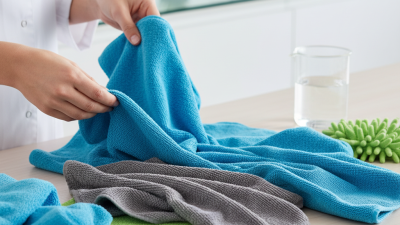
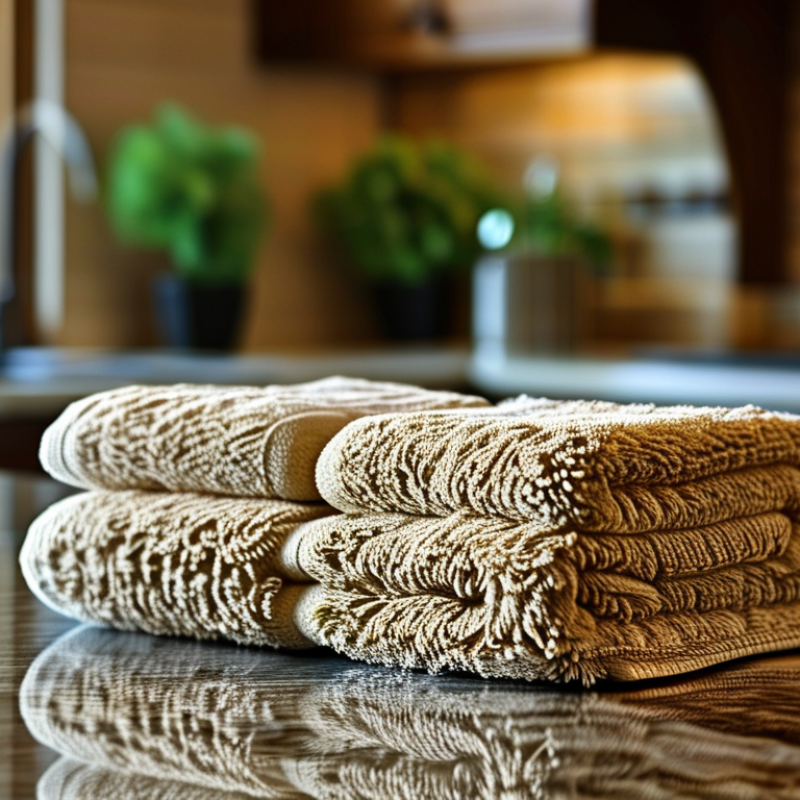
A microfiber towel is made from extremely fine polyester and polyamide fibers. These fibers are thinner than ordinary cotton threads. Their split, star-like structure creates more surface area for lifting dust, oil, and moisture. Textile Exchange’s Materials Market Report 2024 estimates that global fiber production reached 124 million tonnes in 2023. Polyester accounted for about 57%, showing why synthetic textiles deserve careful evaluation. A microfiber towel is not simply a softer cloth.

People use microfiber towels for drying dishes, cleaning glass, wiping electronics, detailing vehicles, and drying hair. In practical testing, its dense surface can remove fine particles with less liquid than many cotton cloths. The U.S. Environmental Protection Agency’s Safer Choice guidance also recognizes microfiber cleaning as a way to reduce chemical use. Still, results depend on fiber quality, washing, and the surface being cleaned. One towel cannot perform every task well. That assumption needs questioning.

Tips: Use separate towels for kitchens, bathrooms, and vehicles. Wash them without fabric softener, which can coat the fibers. Avoid high heat when possible. Check the care label. A neglected towel may spread residue instead of removing it. Wash after oily work, and inspect the edges for trapped grit.

How Microfiber Towels Work

What Is a Microfiber Towel Used For?

How Microfiber Towels Work

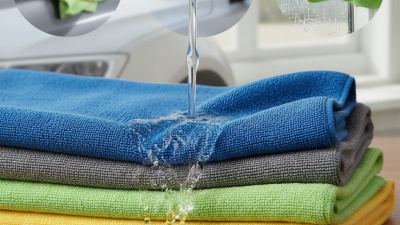
A microfiber towel works through structure, not magic. Its fibers are much finer than ordinary cotton fibers. They create thousands of tiny spaces between strands. These spaces pull in water, oil, dust, and loose particles through capillary action. The split-fiber design also gives the towel more contact points. A dry cloth attracts dust through static electricity. A damp cloth traps particles inside its fiber network.

A hospital-cleaning study from the University of California, Davis, reported bacterial reductions approaching 99% with microfiber tools. Results varied with laundering, surface type, and cleaning technique. That detail matters. A towel cannot replace proper disinfectant contact time. It also cannot clean effectively when overloaded with dirt. In practice, folding one towel into sections helps keep cleaner surfaces separate from used areas.

Microfiber towels suit glass, screens, vehicles, kitchens, and skin-care routines. Their low-lint surface leaves fewer fibers behind. However, performance depends on fiber quality and washing habits. Fabric softener can coat the fibers and reduce absorbency. High heat may damage them. The International Union for Conservation of Nature estimated that synthetic textiles contributed 34.8% of primary microplastic releases in 2017. That figure deserves attention. Rinse microfiber separately, use a washing bag, and avoid unnecessary replacement. The environmental picture is not perfect. Reusable cleaning still needs responsible maintenance.

Common Household and Personal Uses

What Is a Microfiber Towel Used For?

Common Household and Personal Uses

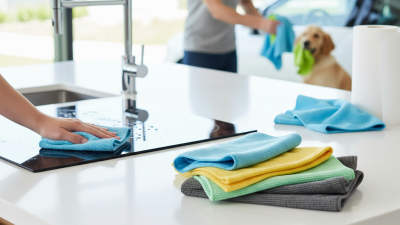
A microfiber towel is useful for everyday cleaning because its fine fibers trap dust, moisture, and light grease. Around the home, it can wipe kitchen counters, bathroom mirrors, windows, tables, and stainless steel surfaces. A slightly damp towel often removes fingerprints without leaving many streaks. It also dries quickly after washing, which helps during busy cleaning routines. However, it is not magic. Heavy grime still needs soap and proper scrubbing.

For personal care, people use microfiber towels after showers, workouts, swimming, or washing their hair. The soft texture can reduce rough rubbing on wet hair and sensitive skin. Some people also use small towels to clean glasses, phones, keyboards, and car interiors. Always use a fresh towel for the face, especially if your skin is easily irritated. I sometimes reuse one too long, and that is a mistake. A towel can look clean while holding oil and bacteria.

Tips: Keep separate towels for kitchens, bathrooms, and personal use. Wash them regularly with mild detergent, and avoid fabric softener because it can reduce absorbency. Skip high heat when possible. Check the care label. Before wiping a delicate surface, test a hidden area. Use gentle pressure, since trapped grit may cause fine scratches. Let the towel dry fully before storing it.

How to Choose the Right Microfiber Towel

Choosing a microfiber towel starts with its intended task, not its color or packaging.

Start with the job. For glass, cameras, and screens, choose a tight, smooth weave with low lint. For drying a car or shower wall, select a thicker towel with greater absorbency.

A waffle weave can move water quickly, while a plush pile holds more moisture but may trap dust.

Check the fiber blend carefully. Polyester provides structure and durability; polyamide generally improves softness and water absorption.

Textile Exchange’s 2024 Materials Market Report states that polyester represented about 57% of global fiber production in 2023. That scale makes responsible care important.

Wash microfiber separately, avoid fabric softener, and use low heat. High heat can damage split fibers and reduce performance.

Weight matters, but GSM is not a universal quality guarantee.

A 300 GSM towel may suit mirrors, while a 500 GSM towel may feel better for drying larger surfaces. Still, a heavier towel can dry slowly. That is easy to overlook.

Research published in Environmental Science & Technology Letters found that synthetic textiles can release microfibers during laundering, although results vary by fabric, wash cycle, and testing method.

I would therefore choose durable towels, wash them less aggressively, and replace them only when fibers flatten or leave streaks.

A towel that feels soft is not always cleaning well. Test one corner first.

How to Use and Care for Microfiber Towels

What Is a Microfiber Towel Used For?

How to Use and Care for Microfiber Towels

Microfiber towels lift dust, oil, and moisture from glass, screens, vehicles, and household surfaces. Their fine fibers work best when the towel is clean and slightly damp. Fold it into quarters, then use one section at a time. This gives you several clean surfaces before washing. For delicate areas, remove grit first. Trapped particles can cause tiny scratches.

Tips

Keep separate towels for kitchens, bathrooms, windows, and vehicle surfaces. Do not mix them after use. Wash microfiber towels with mild detergent, warm water, and similar synthetic fabrics. Avoid fabric softener and chlorine bleach. They can coat or weaken the fibers. A low-heat dryer setting is safer than high heat. Air drying also works well. Check the care label, because towel blends can differ.

I usually shake each towel outdoors before washing. Sometimes I forget, and loose dust remains in the fabric. That small mistake can reduce cleaning performance. Do not use a towel near an active flame or on a very hot surface. Rinse heavily soiled towels before placing them in the washer. Store fully dry towels in a clean, ventilated drawer. If a towel feels greasy after washing, wash it again separately. Never use that towel on glass until it feels clean.