Get Instant Quote
Leave Your Message

Why Choose a Promotional Lanyard for Your Business?

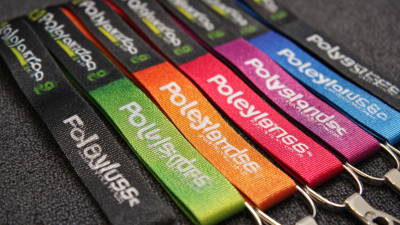
A business often has only seconds to make a professional impression. A Promotional Lanyard helps turn those seconds into useful brand exposure. At trade shows, conferences, and company events, it keeps identification cards visible and easy to access. It can also guide visitors toward your team. I have seen attendees notice a consistent lanyard design before reading a staff badge. That small detail can make a crowded booth feel more organized. However, visibility alone is not enough. Poor materials or unclear branding can weaken the impression.

A well-planned Promotional Lanyard combines practical function with recognizable design. Businesses can select suitable colors, logos, attachments, and comfortable fabrics. Recycled polyester may support sustainability goals, while soft woven materials can improve daily comfort. Reliable suppliers should provide clear product specifications, consistent color quality, and secure attachment options. They should also explain production timelines and quality checks. These details reflect professional purchasing practice. They reduce surprises when hundreds of lanyards arrive for an important event.

Still, a lanyard is not a complete marketing strategy. It cannot replace helpful staff, clear messaging, or good customer service. This is easy to forget. Its value depends on thoughtful use. Before ordering, consider the audience, wearing time, badge size, and brand purpose. Test a sample around the neck and inspect the clip closely. A simple design may perform better than a crowded one. With realistic expectations and careful evaluation, a Promotional Lanyard can support recognition, workplace organization, and a more credible business presence.

Why Choose a Promotional Lanyard for Your Business?

What Is a Promotional Lanyard and How Does It Support Business Goals?

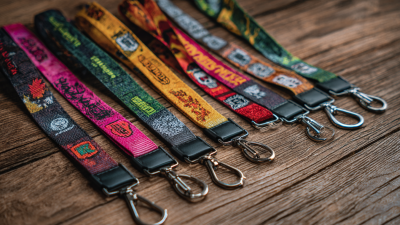
A promotional lanyard is a wearable identification and access tool. It usually holds an ID card, badge, keys, or event pass. Unlike a flyer, it stays visible while people walk, work, and network. The printed message can show a company name, campaign theme, website, or QR code. Its value depends on daily usefulness, not decoration alone.

PPAI’s 2024 Consumer Study reported that 83% of consumers enjoy receiving promotional products. It also found that usefulness strongly influences whether people keep them. A lanyard supports this behavior because employees and visitors may wear it for several hours. At conferences, consistent colors can help staff look organized and remain easy to find. ASI’s 2023 Ad Impressions Study measured about 3,400 lifetime impressions for promotional shirts, suggesting that repeated visibility can extend advertising reach.

A lanyard is not a magic growth tool. Poor printing, weak clips, or uncomfortable materials can damage trust. Choose a soft woven fabric, secure attachment, and readable text from arm’s length. Test the design with real users before ordering thousands. Measurement remains imperfect. Still, teams can track event scans, badge returns, visitor feedback, and repeat requests. Those details connect a simple accessory with practical goals, including recognition, smoother event operations, and longer campaign exposure.
Which Business Benefits Make Promotional Lanyards Effective Marketing Tools?

Why Choose a Promotional Lanyard for Your Business?

Promotional lanyards turn ordinary access routines into repeated brand exposure. Employees wear them at reception desks, trade shows, training rooms, and busy event entrances. Each pass, badge check, or conversation creates another visible contact. The ASI 2023 Ad Impressions Study estimates that promotional products generate 5,038 impressions during their average lifetime. A lanyard can support that reach because it stays close to eye level and remains useful throughout the day.

Practical value drives this performance. A comfortable lanyard keeps an identification card accessible, reduces misplaced badges, and helps staff appear organized. Promotional Products Association International research has found that useful promotional products often create stronger advertiser recall and more positive brand impressions. Material choice matters. Soft polyester feels better during long events, while a sturdy clip prevents embarrassing badge drops. Small details carry weight.

It is not a magic marketing device. Poor printing, rough edges, or an awkward attachment can make the item disposable. Some organizations also distribute too many designs, weakening visual consistency. Measure results with simple methods: use a campaign-specific message, ask recipients where they received it, and compare event inquiries afterward. The evidence is encouraging, but lanyard performance still depends on comfort, relevance, and disciplined follow-up.

Why Choose a Promotional Lanyard for Your Business? - Which Business Benefits Make Promotional Lanyards Effective Marketing Tools?

Industry benchmarks refer to promotional products in general and are not limited exclusively to lanyards. Actual results vary by audience, design, distribution method, and campaign duration.
Business Benefit Relevant Marketing Dimension Verified Industry Benchmark or Planning Data Why Promotional Lanyards Are Effective Recommended Measurement
Repeated Brand Exposure Monthly advertising impressions Approximately 3,400 impressions per month is a commonly reported benchmark for promotional products in the United States. A lanyard is usually worn or carried in public and can display a message repeatedly during conferences, events, workplaces, and daily travel. Track estimated wearing frequency, event attendance, and the number of distributed lanyards.
Longer Message Retention Average product retention period Approximately 9 months is the reported average retention period for promotional products in a major U.S. industry impressions study. Durable materials and practical features such as detachable clips or badge holders can encourage recipients to continue using the lanyard. Use post-event surveys to measure whether recipients still use the lanyard after 30, 90, and 180 days.
Positive Recipient Response Recipient attitude toward promotional items More than 80% of recipients in a U.S. promotional-products study reported a positive impression of promotional items. Useful event accessories are generally perceived as more valuable than disposable advertising formats, especially when the design is attractive and functional. Measure satisfaction, usefulness, design appeal, and willingness to use the item again.
Business Recall and Recognition Advertising recall Industry research has reported that approximately 8 to 9 out of 10 recipients could recall the advertiser associated with a promotional item. A clearly printed logo, website, QR code, or campaign message keeps the business visible whenever the lanyard is worn. Conduct an unaided and aided recall survey after distribution.
Face-to-Face Engagement Event interaction and lead generation Planning example: if 1,000 lanyards are distributed and 10% of recipients scan a QR code, the campaign generates 100 measurable visits. Lanyards can connect physical visibility with digital actions through QR codes, short URLs, registration pages, or event-specific offers. Use a unique QR code, landing page, coupon code, or campaign URL to calculate scans and conversions.
Cost Efficiency Cost per exposure Planning formula: Total campaign cost ÷ estimated total impressions. Reusable items can produce multiple exposures without a new media placement for each view. One lanyard can generate visibility across several days or months, helping spread the initial production cost over repeated uses. Compare production, printing, shipping, and distribution costs with estimated uses and tracked responses.
Audience Segmentation Targeting by event, role, or campaign Planning example: use separate colors or messages for attendees, staff, speakers, VIP guests, and partners. Different lanyard designs can make groups easy to identify while delivering a targeted message to each audience segment. Compare engagement, scans, leads, and feedback by lanyard color, message, or recipient group.
Practical Utility Functional use and daily visibility Common practical features include badge holders, safety-release clips, detachable buckles, adjustable lengths, and reusable attachment points. Functional design increases the likelihood that recipients will keep using the lanyard instead of discarding it after the event. Measure usage rate, replacement requests, feature preferences, and retention after the campaign.
Environmental Considerations Material choice and product lifespan Material options may include recycled polyester, organic cotton, bamboo fiber, or recycled PET, depending on supplier specifications and certification. Selecting durable materials and avoiding unnecessary packaging can support a more responsible promotional-product strategy. Record material composition, recycled content, packaging type, product lifespan, and disposal guidance.

How Can Businesses Choose the Right Lanyard Design and Materials?

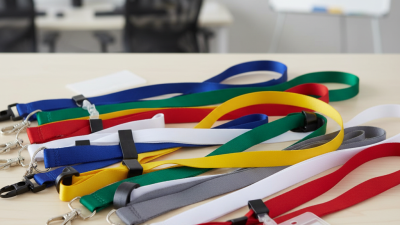
A promotional lanyard works best when its design matches real workplace behavior. Start with the wearer. Conference staff may need wide straps, while visitors often prefer lighter materials. According to PPAI’s 2023 Consumer Study, 88% of consumers remembered the advertiser on a promotional product. Visibility matters, but comfort protects daily use. Choose a strap width that supports the badge without twisting. Add a strong swivel hook or split ring. A breakaway feature may improve safety in busy environments.

Material selection requires more than choosing the cheapest fabric. Polyester offers sharp printing, consistent color, and dependable durability. Recycled polyester can support environmental messaging, but suppliers should provide credible material documentation. Textile Exchange’s 2024 Materials Market Report identifies recycled polyester as a major recycled-fiber category.

It also shows why recycled content alone does not prove lower impact. Ask about certification, fiber content, dyeing methods, and packaging. Claims need evidence.

Design details should reflect the campaign’s purpose. High-contrast lettering improves readability across a crowded exhibition hall. Repeating a short message usually works better than filling the strap with small text. Test a physical sample with the actual badge attached. Wear it for several hours. Check skin comfort, clip strength, color transfer, and twisting. This step is easy to skip. This is a mistake. A lanyard that looks excellent on screen may feel stiff, fade quickly, or pull uncomfortably during a full workday.

Where Can Promotional Lanyards Be Used to Increase Brand Visibility?

Promotional lanyards can increase brand visibility wherever people gather, move, and interact. Trade shows are an obvious setting, but they are not the only one. Reception desks, training sessions, schools, hospitals, museums, conferences, and workplace visitor areas all create repeated exposure. A lanyard carrying a clear logo and practical access card remains visible while people walk, speak, and wait. It works in motion.

The Advertising Specialty Institute’s 2023 Ad Impressions Study found that 85% of recipients remembered the advertiser on a promotional product. That figure supports lanyard use, although it does not guarantee attention. Design still matters. In a crowded exhibition hall, a small logo can disappear. A high-contrast layout, readable type, and comfortable fabric are more useful than excessive decoration. PPAI consumer research also shows that usefulness strongly influences whether people keep promotional products, making durable lanyards more valuable than disposable giveaways.

Consider employee onboarding, event registration, and public-facing service counters. Staff members can wear role-specific lanyards, while visitors receive versions with access details or schedules. The same item can guide people and display an organization’s identity. However, companies should measure results through event surveys, website visits, redemption codes, or repeat-order data. A lanyard is not magic. Some designs will be ignored, misplaced, or worn only once. Testing color, attachment style, and message placement may reveal uncomfortable truths. That reflection improves the next production run.

Why Choose a Promotional Lanyard for Your Business?

Promotional lanyards combine practical identification with repeated brand exposure. They are especially useful in environments where people wear badges, keys, passes, or access cards throughout the day.

The visibility score is a practical 1–10 planning index based on attendee density, wearing frequency, duration of use, and the likelihood that a lanyard remains visible. Trade shows, conferences, schools, offices, and public events are common applications for increasing brand visibility.

What Factors Should Businesses Consider Before Ordering Promotional Lanyards?

A promotional lanyard can turn every event badge into a small, moving advertisement. However, ordering one requires more than choosing a color and adding a logo. PPAI’s 2024 industry sales report valued the North American promotional products market at 25.8 billion dollars in 2023. ASI’s 2023 Ad Impressions Study found that 85% of consumers recalled an advertiser from a promotional product. Visibility matters, but usefulness matters more.

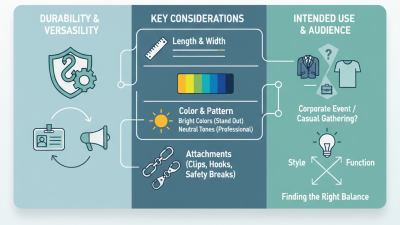
Businesses should define the wearer, setting, and expected lifespan before requesting quotations. A lightweight polyester lanyard may suit a one-day conference. A softer woven style may work better for employees wearing it daily. Check the clip, safety breakaway, print durability, and fabric width. Test one sample around the neck. Small design faults become obvious after six hours. I have seen attractive lanyards feel rough, twist easily, or hide the printed message. The cheapest quote can become expensive waste. That deserves honest review.

Tips: Match the attachment to the item being carried. Use high-contrast artwork for quick recognition. Request a physical sample before mass production. Confirm production time, packaging, replacement needs, and minimum order quantities. Ask suppliers for material specifications and relevant quality documentation. Measure results through event scans, staff feedback, or redemption codes. Do not assume every impression creates a sale. A lanyard supports recognition, but poor design can weaken it.