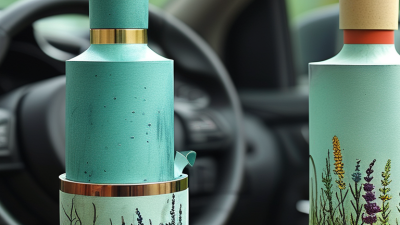
How to Choose the Best Air Freshener for Your Car?
Choosing an Air Freshener For Car involves more than picking a scent that smells pleasant in the shop. A parked car can heat up quickly, while a compact cabin holds fragrance close to the driver. Too much scent may become distracting, especially during a long commute. Small details matter.
The U.S. Environmental Protection Agency’s guidance on volatile organic compounds notes that indoor VOC concentrations can be higher than outdoor levels. This is general indoor-air guidance, not a car-specific finding, but it offers a useful reminder: fragrance products release compounds into enclosed spaces. Check the product label, follow its use instructions, and avoid placing it where it could obstruct your view or interfere with vehicle controls. If a scent causes discomfort, remove it and ventilate the cabin.
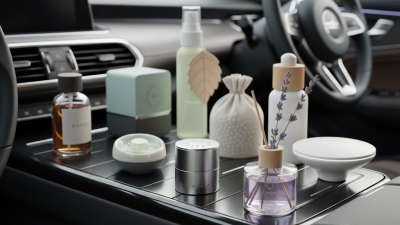
Start with your needs. Do you want a mild odor control option, a subtle fragrance, or something easy to replace? Compare formats such as vent clips, hanging cards, and refillable diffusers. Look for clear ingredient and usage information, adjustable intensity, and packaging that suits your vehicle. A strong smell is not proof of better performance. Nor does “natural” automatically mean suitable for every passenger.
Personal experience matters, but it is not a test result. Try a low-intensity option first, then notice how it feels after the cabin warms. This guide explains what to compare, which claims deserve a closer look, and how to choose a product that fits your car and comfort.
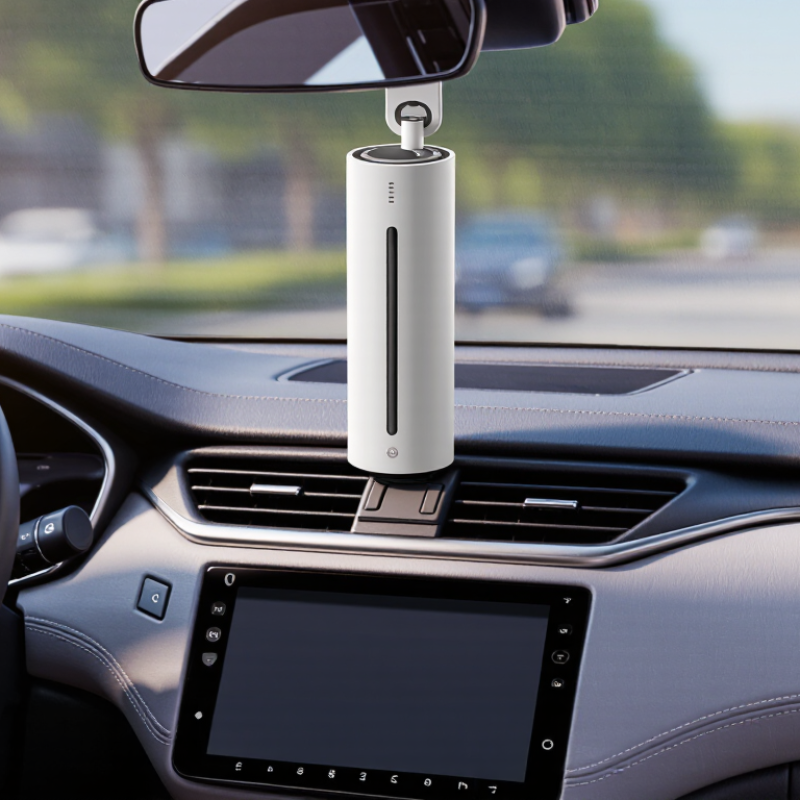
Identify Your Car’s Odor-Control Needs
Before choosing a car air freshener, identify what you need to control. A coffee spill under the seat needs a different response from stale air after a rainy week. Check floor mats, seat seams, cup holders, and the trunk for damp fabric or food debris. Smell the cabin after it has been parked overnight; heat can make hidden odors easier to notice. Start with the source. An air freshener may soften a smell, but it will not clean a spill or dry wet carpeting.
Notice when the odor appears. If it grows stronger when the fan runs, inspect the cabin air filter and vents; a technician can check persistent mustiness. Pet hair, smoke residue, and frequent takeout may call for deeper cleaning before adding fragrance. If you mainly want a light, steady scent, choose a mild option and test it briefly. Strong fragrance can become tiring in a small cabin, especially on a long drive. Sometimes the smell is not what you first suspect. A persistent fuel-like, burning, or unusually sweet odor should be checked by a qualified mechanic, not covered up. Consider passengers too: scent sensitivity varies, and a nearly neutral cabin may be the better choice. Inspect again after a few days, because your nose can adapt quickly.
Compare the Main Types of Car Air Fresheners
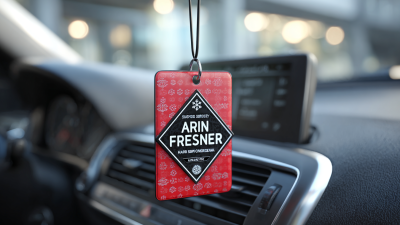
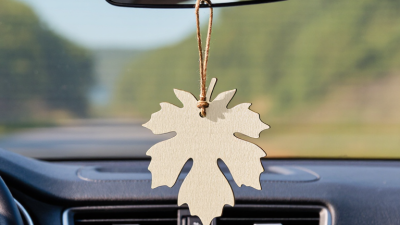
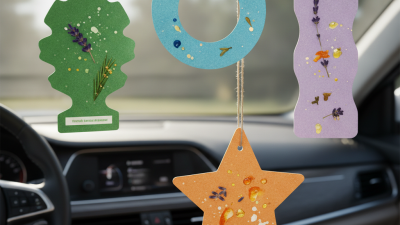
Car air fresheners differ in scent strength, release method, and upkeep. Hanging cards are simple and inexpensive, but their scent may fade quickly or feel strong near the mirror. Vent clips release fragrance with the airflow, so the effect can change with fan speed. Gels and solid cans provide a steadier scent, though placement matters on a sunny dashboard. Sprays work quickly. Their scent may also disappear quickly.
A 2015 study by Anne Steinemann, published in Air Quality, Atmosphere & Health, analyzed 25 fragranced consumer products. Researchers identified 133 volatile organic compounds, or VOCs, across those products. Twenty-four were classified as potentially hazardous under the standards examined. The study did not test car fresheners, so it offers context, not a product ranking. Still, a confined cabin makes scent intensity worth considering.
Choose a vent clip if you want fragrance linked to airflow, or a gel if you prefer a more constant release. A spray suits occasional use, while a hanging card needs no power or setup. Check the ingredient and safety information, and start with the mildest option available. Small details matter. Test the scent during a short drive, then reassess; what smells subtle in a shop may feel overpowering in a warm car.
Choose a Scent and Strength That Suit Your Preferences
A car’s cabin is small. A scent that seems gentle in a shop can feel intense after ten minutes in a warm car. Choose a fragrance you already enjoy, then consider how it may change in heat and enclosed air. Light citrus or herbal notes can feel less heavy than dense, sweet scents, though personal preference matters most. Start subtle.
Strength matters as much as scent. A hanging card, vent clip, or gel container may release fragrance differently depending on airflow, cabin size, and placement. Use the lowest available setting, or move the freshener away from a vent if the smell feels sharp. Give your nose time. After driving, step outside briefly before judging; people can adapt quickly and stop noticing a fragrance that passengers still find strong.
If others often ride with you, ask whether the scent feels comfortable, especially on longer trips. Avoid layering fragrance over food or damp upholstery odors; clean the source when possible. Reassess after a few days, since a first impression may not hold up. Some scents simply do not suit every cabin.
Check Ingredients, Safety, and Compatibility With Your Vehicle
Choosing a car air freshener starts with its ingredient information, not its scent.
Look for clear ingredient disclosures and follow the product’s use instructions. Fragrance can irritate some people, and volatile organic compounds (VOCs) may affect indoor air quality. A 2010 peer-reviewed study by Anne Steinemann examined 25 fragranced consumer products and identified 133 VOCs; 24 met federal criteria for potentially hazardous substances. The study covered several product types, so it does not mean every car freshener contains every substance. Still, it’s a useful reason to check labels and use only the amount recommended.
Your vehicle’s cabin is small, and heat from a sunny windshield can make a scent feel stronger. A mild fragrance in a shop may feel overpowering during a long drive. That judgment is imperfect; people respond differently. Check your owner’s manual before attaching anything to vents or trim. Keep fresheners away from airbags, controls, and the driver’s sightline. For liquid products, check that the container stays upright and cannot leak onto dashboards or upholstery.
Tips: Choose a scent you can tolerate for a full commute, not just a quick test. Start with the lowest recommended dose, ventilate the cabin, and stop using it if you notice discomfort. Check material compatibility before placing a product against plastic, leather, or fabric.
Compare Longevity, Placement, and Cost Before Choosing
Longevity matters more than a strong first impression. A hanging card may smell noticeable for days, then fade quickly; gel or vent-mounted options often release scent more gradually. Actual life depends on cabin temperature, airflow, and how often the car sits in direct sun. Check the package’s stated duration, but treat it as an estimate. Heat can change the result.
Placement affects both comfort and performance. A vent-mounted freshener may spread scent when the fan runs, while a tucked-away gel container gives a steadier, less direct release. Keep any item clear of pedals, visibility, and controls. Too close to your face can make even a mild fragrance feel overpowering on a long drive. Start small.
Compare cost per week, not just the checkout price. A low-cost option that needs frequent replacement may cost more over a month than a longer-lasting one. Refill systems can reduce waste, though only if you remember to buy refills. That part is easy to overlook. Scent strength is subjective, so estimates can be off; try a modest size before committing, and note how it smells after a warm afternoon in the parked car.
How to Choose the Best Air Freshener for Your Car
Compare typical scent life, placement, and estimated monthly cost before choosing.
Hanging cards usually offer a low-cost option, while vent clips release fragrance through the airflow and gel containers can sit in a cup holder or console. Under-seat formats keep the product out of sight. Duration and monthly cost are broad estimates: heat, airflow, fragrance strength, and individual use can change how long a product lasts. Keep fresheners clear of airbags, controls, and the driver’s view.