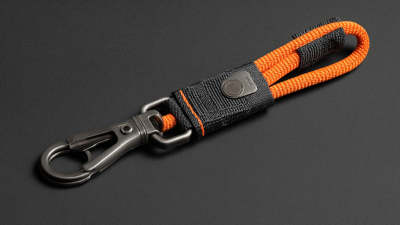
A Key Strap Lanyard is a simple way to keep everyday keys close, visible, and easier to find. Clip one to a bag, belt loop, or wrist, and your keys are less likely to disappear beneath a notebook or settle at the bottom of a tote. The strap can also make quick tasks smoother, such as opening an office door or locating a locker key. Small detail. Real convenience.
The right choice depends on how you carry your keys. A short wrist strap suits quick errands, while a longer design may work better when keys need to stay attached to a bag. Check the clip, stitching, fabric feel, and attachment point. These parts take repeated handling, and a weak connector can make an otherwise attractive strap frustrating. Comfort matters, too; rough edges can rub against skin during a long day.
A trustworthy introduction should not invent an expert quotation. No source material was provided to verify a named Key Strap Lanyard specialist or their exact words. That matters. This guide will instead explain common uses, practical design differences, and what to inspect before choosing one. It will also note a useful limitation: a lanyard keeps keys accessible, but it does not prevent loss if the strap or attachment fails.
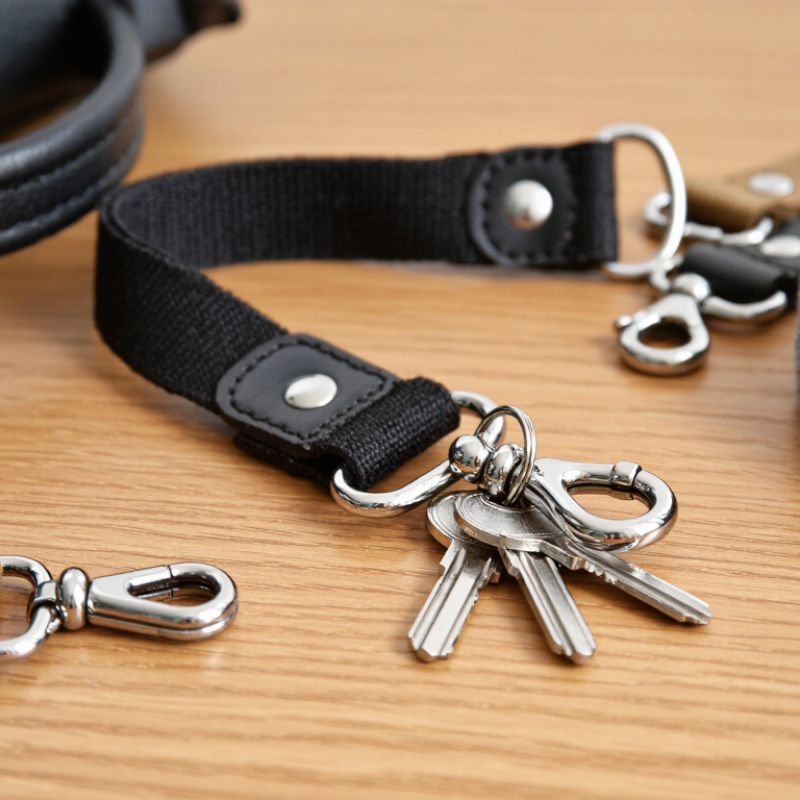
A key strap lanyard is a short, flexible loop that keeps keys attached to a person or an everyday item. It may have a wrist loop, clip, or small connector for a key ring. Common materials include woven polyester and nylon, which feel light but can fray with frequent rubbing. In practical use, the strap can keep a house key from slipping between car seats or make a locker key easier to spot in a crowded bag. Small, but practical. It does not prevent every loss; clips can loosen, and a strap can snag.
For work settings, a key strap can help keep frequently used keys close at hand, such as a storage-room key carried with an access badge. The U.S. Bureau of Labor Statistics reported 5,283 fatal work injuries in its 2023 Census of Fatal Occupational Injuries. That report does not measure key loss or show that lanyards prevent injuries, so it should not be treated as proof of their safety value. It does underline why everyday workplace routines deserve care. Check stitching and connectors for wear, and choose a breakaway design where snagging is a concern. Not foolproof. A strap around the wrist may also be awkward when handling tools, so fit and setting matter.
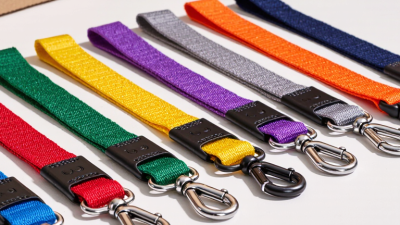
A key strap lanyard keeps keys or other small essentials together and within easy reach. It can also help carry an access card, badge, or small tool. The bars count example item types shown for each use; they are not survey results or product specifications.
A key strap lanyard keeps keys close by joining a fabric loop to a metal or plastic attachment. The strap spreads weight across the wrist or hangs from a bag, while stitching keeps the loop from pulling apart under ordinary use. A split ring holds keys through a small opening; a swivel hook clips onto a belt loop or bag ring and can rotate as you move. Small parts matter. Look for smooth edges, tight stitching, and a clasp that closes fully. A weak connection can undo the convenience of a comfortable strap.
Material also affects feel and care. Textile Exchange’s 2024 Materials Market Report estimated that polyester made up 57% of global fiber production in 2023. That broad industry figure helps explain why polyester webbing is common, though it does not measure key strap durability. A woven strap can dry quickly, but its surface may fray after repeated rubbing against a zipper or desk edge. Check the attachment point now and then, especially if keys feel heavier than the strap seems designed to carry. A lanyard reduces fumbling; it cannot guarantee a key will never fall. The weak spot is often the little connector, not the strap.
| Component or Feature | How It Works | Typical Use | Practical Consideration |
|---|---|---|---|
| Strap | A flexible band holds the keys and provides a longer grip than a key ring alone. Straps are commonly made from woven fabric, polyester, nylon, or similar materials. | Carrying keys by hand, around the wrist, or attached to a bag or belt loop. | Choose a width and length that are comfortable to hold and suitable for how the keys will be carried. |
| Key ring or split ring | The ring secures keys through their keyholes. A split ring uses overlapping coils that can be separated to add or remove keys. | Holding one or more keys together on the strap. | Check that the ring is fully closed and that its opening is suitable for the keyholes. |
| Swivel hook or clip | A movable connector attaches the lanyard to a bag loop, belt loop, or other compatible attachment point. A swivel can let the strap turn more freely. | Keeping keys accessible while reducing the need to hold them. | Confirm that the clip is closed and attached to a secure loop; small clips are not intended for climbing or load-bearing use. |
| Detachable buckle | A two-piece connector allows part of the strap, often the section carrying the keys, to be released without removing the entire lanyard. | Passing keys to another person or separating them from the main strap for temporary access. | Reconnect the buckle completely before carrying the keys, and check it for wear over time. |
| Wrist loop | A loop at the end of the strap can be placed around the wrist to help keep keys close while they are being carried. | Everyday errands, walking, or situations where keys are frequently picked up and set down. | Use a comfortable fit and avoid wearing a loop where it could snag on machinery or moving objects. |
| Breakaway connector | A release point is designed to separate when pulled with sufficient force, depending on its construction and intended use. | Some lanyards worn around the neck where snagging may be a concern. | It is a safety feature, not a guaranteed protection in every situation. Follow the product’s instructions and do not modify the connector. |
| Overall purpose | The strap and attachment components work together to keep keys grouped, easier to locate, and convenient to carry or attach. | House keys, locker keys, and other lightweight keys used in everyday activities. | A key strap lanyard is for carrying keys, not for supporting a person, securing heavy loads, or replacing a lockable key-storage system. |
A key strap lanyard keeps frequently used keys close at hand and easier to find. Wear one around your wrist or attach it to a belt loop, bag, or access card holder. At a reception desk, for example, a short strap can keep cabinet keys from slipping behind paperwork. For staff moving between rooms, a clip can make keys easier to return to the same place after each use. Simple, but useful.
Choose a strap that suits the setting. A lightweight wrist loop works well for a few keys, while a stronger clip may suit a larger set. In busy workplaces, label keys clearly and avoid attaching so many that the strap becomes heavy or awkward. A lanyard can also snag, so remove it around moving equipment and follow workplace safety procedures. It is a carrying aid, not protective equipment.
The U.S. Bureau of Labor Statistics reported 2.6 million nonfatal workplace injuries and illnesses in private industry in 2023, in its Employer-Reported Workplace Injuries and Illnesses report. That figure does not measure key-related incidents or show that lanyards prevent injuries. It does underline why small workplace routines deserve care: keep keys secured, but don’t let a strap interfere with safe movement. A little trial and error may be needed to find a comfortable length.
A key strap lanyard is most useful wherever staff reach for the same keys throughout a shift. In a hotel, a front-desk worker can keep a storeroom key clipped nearby instead of searching a drawer during a busy check-in. Maintenance teams may use one for cabinets, supply rooms, or equipment lockers. The U.S. Bureau of Labor Statistics reported 2.6 million nonfatal workplace injuries and illnesses in private industry in 2023. That figure does not show that lanyards prevent injuries; it does underline why workplace routines and safe handling matter. Keep straps clear of moving equipment, and follow site rules.
They are also handy at airports, conferences, and school events, where workers may carry several access keys while greeting people or checking rooms. The Transportation Security Administration reported screening more than 904 million passengers in 2024, illustrating the scale of daily airport activity. A strap can keep a small key set attached to a belt or bag, though it cannot replace careful key control. It can snag, too. In healthcare or food-service settings, choose a cleanable strap and check local hygiene procedures before wearing it. A simple attachment helps most when keys are used often, stored consistently, and easy to identify.
A key strap lanyard should fit the way you actually carry keys. For a commute, a wrist loop keeps keys close while you unlock a door or hold a coffee. If you wear it around your neck, check the strap length and whether it sits comfortably over a coat. Small details matter. A strap that twists or rubs may soon stay in a drawer.
Look at material, width, and hardware together. Woven polyester is lightweight and dries quickly; a broader strap may feel less sharp against your skin. Metal clips can feel sturdy, but they add weight and may jingle against other keys. Choose a clip that opens smoothly and holds your key ring securely. If you carry only one or two keys, a bulky strap is probably unnecessary. For several keys, leave enough room to add or remove them without forcing the ring.
Think about where the strap will be used. A detachable connector is handy when you need to leave keys behind but keep the strap with you. Check that the release is easy to operate, yet unlikely to open from a light tug. I still find the right length takes a little trial and error. Try the strap with your usual coat and bag, then check for snagging, pressure, or awkward swinging before settling on one.